+86 18560646018

Views: 243 Author: Focus Color Publish Time: 2026-10-18 Origin: Site


Content Menu
● Introduction: Why Source Color Changing Cups from China?
● How These Color Changing Cup Suppliers Were Selected
● Market Context: What Recent Reports Actually Tell Buyers
● Comparison Table: Manufacturing Focus, Capacity, MOQ, and Documentation
● The Top 10 Color Changing Cup Manufacturers and Suppliers in China
>> 1. Qingdao Focus On Color Industry & Trade Co., Ltd.
>>> A development-oriented candidate for smaller brands and customized projects
>> 2. Shenzhen Biansebao Arts & Crafts Company Ltd.
>>> A specialist candidate for color-changing promotional drinkware
>>> A practical option for reusable plastic cold-changing cups
>> 4. Zibo Seefy Light Industrial Products Co., Ltd.
>>> A ceramic magic-mug candidate for promotional and sublimation programs
>> 5. Zibo Kunyang Ceramic Co., Ltd.
>>> A broader ceramic supplier for coordinated drinkware ranges
>> 6. NBE Mugs
>>> A potentially accessible starting point for customized ceramic programs
>> 7. MECOLOUR
>>> A scale-oriented supplier for sublimation blanks and coated mugs
>> 8. Zibo Toposi International Trade Co., Ltd. / Topsub
>>> A manufacturing-linked option for magic mugs and sublimation assortments
>>> A ceramic supplier with published QC and production information
>>> An option for broader ceramic and glass drinkware collections
● Technical Buying Guide: Specify the Effect Before Choosing the Factory
>> Distinguish Temperature-Sensitive and Light-Sensitive Products
>> Identify the Complete Material and Decoration System
● Compliance: Why CE and RoHS Are Not the Main Cup-Safety Tests
● Common Sourcing Problems and How to Avoid Them
>> Material Substitution After Sample Approval
>> Generic Reports That Do Not Match the Purchased Product
>> Capacity Claims That Hide the Real Bottleneck
>> Unsupported Dishwasher and Microwave Claims
● An Overlooked Procurement Trap: Approving Appearance Without Controlling Test Conditions
● Factory Verification, Sampling, and Logistics
>> Verify the Contracting Entity and Production Route
>> Use a Four-Stage Sampling Process
>> Calculate Landed Cost Before Placing the Order
● Conclusion: Select a Repeatable Production System, Not Just a Color Effect
>> 1. How Can I Check Whether a Manufacturer's ISO Certificate Has Expired?
>> 2. Can One Food-Contact Test Report Cover Every Cup Color and Design?
>> 3. Should I Reject a Cup Supplier That Cannot Provide CE or RoHS Documents?
>> 4. How Do I Prove That Production Matches the Approved Sample?
>> 5. What Should I Do If a Supplier Will Not Reveal Its Thermochromic Formulation?
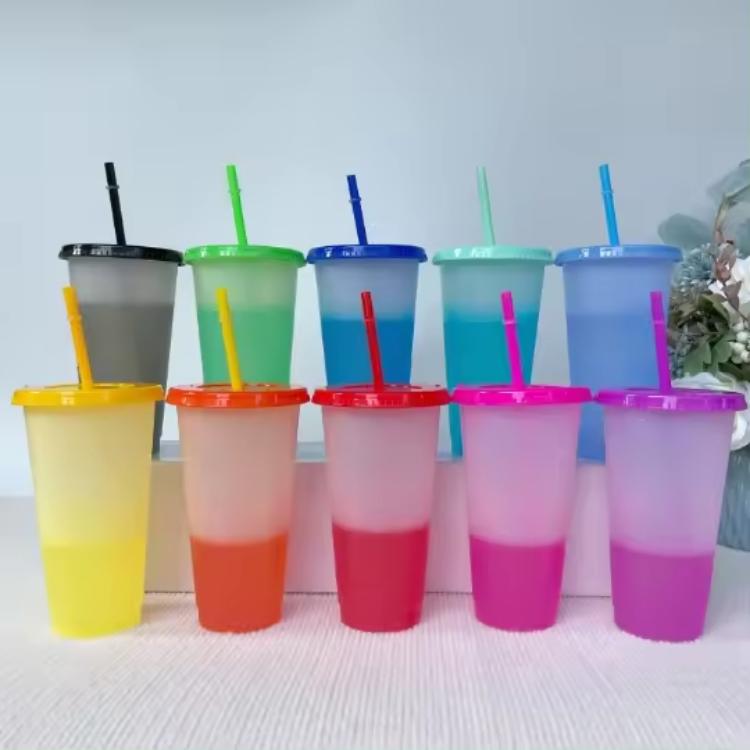
Choosing a color changing cup manufacturer requires more than finding an attractive product photograph or a competitive unit price. Professional buyers need a supplier that can reproduce the same color transition, maintain food-contact compliance, and deliver consistent quality across repeat orders.
China offers several relevant manufacturing ecosystems rather than one uniform production base. Zibo, Shandong, provides a concentration of ceramic mug manufacturers, coating operations, and sublimation suppliers. Shenzhen offers specialist promotional drinkware suppliers, while plastic drinkware production networks extend into Zhejiang and Guangdong. These complementary capabilities give buyers access to different materials, decoration processes, and customization models.
However, a ceramic heat-sensitive mug, a reusable cold-changing plastic cup, and a light-sensitive promotional cup require different technical specifications. Their manufacturers should not be assessed using the same checklist.
This guide presents ten China-based manufacturers and manufacturing-linked suppliers worth investigating. It prioritizes product relevance, customization capability, production transparency, quality controls, and suitability for long-term purchasing.
A useful shortlist should make its evaluation method visible. The following criteria were applied when reviewing candidates.
| Evaluation area | What procurement managers should investigate |
|---|---|
| Product relevance | Evidence of color changing cups, magic mugs, thermochromic drinkware, or directly relevant manufacturing services |
| Technical development | Ability to discuss activation behavior, decoration compatibility, material selection, and design feasibility |
| Manufacturing transparency | Identification of the legal contracting entity, actual production locations, and outsourced processes |
| Quality management | Incoming inspection, process controls, traceability, final inspection, and corrective-action procedures |
| Compliance documentation | Reports covering the finished product, intended use, and destination market |
| Delivery reliability | Available production slots, bottleneck capacity, subcontractor dependencies, and repeat-order planning |
| OEM/ODM support | Artwork development, tooling, color matching, packaging, and ownership arrangements |
These are qualification criteria, not claims that every listed supplier has passed an on-site audit.
Published capacity, certifications, establishment dates, and export markets are not equally transparent across all ten companies. Where reliable information was unavailable, this guide identifies the gap rather than assigning an unsupported figure.
China's position in the wider tableware supply chain is substantial. An April 2025 trade analysis reported that China exported approximately US$3.72 billion of porcelain tableware in 2023, compared with approximately US$5.73 billion globally. These are historical porcelain-tableware figures published in 2025—not color changing cup sales or 2025 export totals.
A 2026 ceramic tableware market report estimates the broader global category at US$39.69 billion in 2025. That estimate includes many products unrelated to thermochromic drinkware and should be treated as directional market context, not a valuation of the color changing cup segment.
Official Chinese statistics place total goods imports and exports at RMB45,468.5 billion in 2025, an increase of 3.8%. This demonstrates the scale of China's trading infrastructure, but it does not establish cup-specific demand or supplier quality.
The practical implication is straightforward: buyers can access an extensive supply ecosystem, but broad industry growth cannot replace product-level qualification.
The table separates published supplier statements from information that requires a direct quotation or audit.
"Not disclosed" does not mean that a supplier lacks capacity or certification. It means that a sufficiently specific figure or current document was not established from the reviewed sources.
| Supplier | Main sourcing focus | Published capacity or production indicator | Published MOQ indication | Certification or compliance information |
|---|---|---|---|---|
| Qingdao Focus On Color Industry & Trade Co., Ltd. | Color-changing product development and customized projects | Not independently verified | Confirm by material, design, and order structure | Request current finished-product reports |
| Shenzhen Biansebao Arts & Crafts Company Ltd. | Color-changing promotional drinkware | Supplier profile describes a 10,000 m² facility | Selected plastic listings show 2,000–3,000 pieces; SKU-specific | Request current reports and factory documents |
| Suan Houseware | Reusable plastic cold-changing cups | Reports 14 injection molding machines through its production network; not cup-specific output | Low-MOQ support advertised; exact quantity requires quotation | Advertises food-contact testing and Sedex audit support; verify scope |
| Zibo Seefy Light Industrial Products Co., Ltd. | Ceramic magic and sublimation mugs | Not disclosed in reviewed profile | Confirm by product and decoration | Obtain SKU-specific reports |
| Zibo Kunyang Ceramic Co., Ltd. | Ceramic mugs and broader tableware programs | Automated production lines advertised; numerical output not established | Confirm directly | Advertises ISO 9001, food-contact testing, and social-audit credentials; verify separately |
| NBE Mugs | Customized ceramic and magic sublimation mugs | Reports 6,800+ m² and 80+ staff | Custom ceramic mug programs advertised from 300 pieces; confirm magic-mug applicability | Current documents not established in reviewed page |
| MECOLOUR | Sublimation blanks and coated ceramic mugs | Claims 200,000 coated ceramic mugs daily across five lines; not magic-mug-specific | Confirm by blank, coating, and packaging | Request coating-specific and finished-product evidence |
| Zibo Toposi International Trade Co., Ltd. / Topsub | Magic mugs and wholesale sublimation blanks | Not disclosed | Confirm by finish and packaging | Current documents not established in reviewed pages |
| Zibo Vanguard Co., Ltd. | Customized ceramic drinkware | Claims up to 80,000 pieces daily across its ceramic operations; not magic-mug-specific | Confirm directly | Describes an internal QC team; verify external credentials |
| Zibo XuanWang | Ceramic mugs, color changing mugs, and coordinated ranges | Not disclosed | Confirm directly | Claims ability to meet various food-contact requirements; request actual reports |
Large headline production figures should never be interpreted as immediately available capacity for a particular color changing cup. The relevant number is the output available for your exact material, coating, artwork, and packaging specification.
According to the company information supplied for this article, Qingdao Focus On Color Industry & Trade Co., Ltd. has more than 13 years of manufacturing experience across photochromic, thermochromic, liquid crystal thermometer, and fragrance-related products. It offers OEM/ODM and personalized customization services.
That portfolio makes it relevant to buyers whose project begins with a color-changing effect rather than an existing cup shape. A smaller brand may need help translating a visual concept into a workable product specification before committing to a large order.
- Establishment: Exact legal incorporation year requires confirmation; more than 13 years of experience is company-supplied information.
- Markets: Global customers, according to the supplied brief; regional sales distribution is not independently established.
- OEM/ODM scope: Company-described customized development across its specialty product categories. Cup substrates, tooling arrangements, and in-house processes should be confirmed.
- Potential advantage: A development-led sourcing conversation for brands seeking differentiated effects and close customization support.
- Qualification priority: Request a cup-specific process map, development milestones, sample revisions, and finished-product compliance evidence.
For buyers seeking value rather than simply the lowest price, its proposed role is a flexible development partner. Communication efficiency, small-brand support, and cost effectiveness should be tested through a structured sample project—not assumed from positioning alone.
Biansebao's supplier profile emphasizes color-changing drinkware and describes a 10,000 m² facility. Public product listings include cold-changing plastic cups and customized promotional drinkware. Selected listings show minimum quantities of 2,000–3,000 pieces, although these should not be treated as a company-wide MOQ.
- Establishment: Exact incorporation year was not reliably established in the reviewed sources.
- Markets: International promotional-drinkware buyers; a verified regional sales breakdown was unavailable.
- OEM/ODM scope: Custom printing and selected plastic drinkware configurations are publicly listed.
- Core sourcing advantage: Direct category relevance for buyers comparing thermochromic promotional formats.
- Qualification priority: Confirm current production locations, which decoration processes are in-house, and whether the quoted MOQ applies per artwork, color combination, or total order.
Its specialist positioning makes it worth evaluating for campaigns where the visual transition is a central selling feature. Buyers should request samples made with the actual proposed color combinations rather than generic showroom samples.
Suan Houseware lists a 24-ounce color changing cup with a lid and straw. Its product page describes component color matching and customized decoration, making it relevant to private-label drinkware and promotional programs.
- Establishment: Its marketplace profile states that the factory was established in 2010; verify the relationship between that operating history and the contracting entity.
- Markets: The company identifies US and European customers, brand owners, online sellers, and wholesale distributors.
- OEM/ODM scope: Custom molds, component colors, logos, and private-label development.
- Core sourcing advantage: A clear plastic-drinkware offering with coordinated cup, lid, and straw customization.
- Qualification priority: Clarify the actual production site and factory ownership or partnership structure.
This final point matters because Suan describes itself as an integrated manufacturing and trading business working through joint-venture production relationships. Buyers should map those facilities to the proposed order instead of assuming that every process occurs at one location.
Seefy's public supplier profile lists ceramic mugs and maintains a dedicated magic color changing mug category. The profile identifies the business as both a manufacturer/factory and trading company.
- Establishment: November 14, 2016, according to the public profile.
- Markets: Export-oriented supply; principal regional markets were not established from the reviewed page.
- OEM/ODM scope: Ceramic and sublimation mug products are listed; confirm custom shapes, artwork services, and packaging support.
- Core sourcing advantage: A directly relevant ceramic magic-mug category within the Zibo supply ecosystem.
- Qualification priority: Identify whether ceramic forming, thermochromic coating, sublimation coating, and final printing are performed by the same facility.
For this supplier, the most useful sample comparison is between the finished printed mug and the unprinted coated blank. That helps separate coating performance from printing-process performance.
Kunyang states that it was founded in 2003 and supplies ceramic mugs, sublimation mugs, new bone china, and tableware. Its catalog includes color changing mug variants.
- Establishment: 2003, according to its company profile.
- Markets: The company reports exports across Europe, the Americas, Southeast Asia, and Oceania.
- OEM/ODM scope: Shape development, glazes, decals, color matching, and packaging.
- Core sourcing advantage: The ability to discuss a color changing cup within a wider ceramic collection.
- Qualification priority: Separate management-system certificates, social-audit reports, and food-contact test reports; they serve different purposes.
Kunyang may suit buyers planning matching mugs and tableware rather than a single promotional SKU. However, care claims attached to ordinary ceramic products should not automatically be carried over to thermochromic finishes.
NBE Mugs states that it has operated since 2012 and lists magic color-change sublimation mugs alongside conventional ceramic drinkware. It advertises custom ceramic mug production from 300 pieces, with the applicability of that starting quantity to specific magic mugs requiring confirmation.
- Establishment: Operating history stated as beginning in 2012.
- Markets: Wholesale, private-label, and promotional buyers; regional sales shares are not published.
- OEM/ODM scope: Logo printing, glaze customization, sampling, packaging, and bulk production.
- Core sourcing advantage: A published starting quantity that may be useful for pilot launches.
- Qualification priority: Determine whether the minimum quantity applies per shape, glaze, coating, or artwork.
A low starting quantity can reduce launch risk, but only if the pilot uses the same materials and process intended for repeat production.
MECOLOUR's company information states that the business was founded in 2008. Its ceramic factory page lists color changing mugs and claims five sublimation-coating production lines capable of producing 200,000 coated ceramic mugs per day. That is a supplier-stated general coating figure, not verified daily magic-mug output.
- Establishment: Brand/company history dates to 2008; confirm the legal entity named in the contract.
- Markets: International sublimation supply; its company profile also describes a Brazilian presence.
- OEM/ODM scope: Coated ceramic blanks, color mugs, and related sublimation products.
- Core sourcing advantage: Relevance to buyers operating printing businesses or stocking standardized blanks.
- Qualification priority: Establish coating batch consistency, the acceptable heat-transfer process window, and current available capacity.
For a sublimation buyer, printing compatibility is as important as appearance before printing. Qualification should use the buyer's intended equipment and operating conditions.
Topsub identifies itself as a factory-trade integrated company founded in 2022. Its magic-mug category includes 11-ounce color changing mugs and advertises tailored OEM/ODM services.
- Establishment: 2022, according to its website.
- Markets: International wholesale sublimation customers; leading regional markets are not specified in the reviewed information.
- OEM/ODM scope: Magic mugs, coated blanks, and related customization.
- Core sourcing advantage: A potentially convenient consolidated sourcing relationship for sublimation assortments.
- Qualification priority: Identify the actual manufacturer of each SKU and confirm who controls coating specifications, inspections, and corrective action.
A manufacturing-linked supplier can provide coordination value. The purchasing contract should nevertheless identify responsibility for production defects and prevent unapproved factory substitution.
Vanguard describes nine production workshops and daily ceramic output of up to 80,000 pieces. Its website also names personnel responsible for quality control and design. These are supplier-published statements and should be checked during qualification.
- Establishment: Exact incorporation year is not stated on the reviewed company page; it claims 17 years of export experience.
- Markets: North America, Central America, Europe, Australia, and Southeast Asia.
- OEM/ODM scope: Ceramic drinkware development; its website also lists color changing sublimation mugs.
- Core sourcing advantage: More visible information about production organization and QC responsibilities.
- Qualification priority: Determine the portion of capacity applicable to thermochromic products and whether specialist coating is subcontracted.
This supplier is worth investigating for buyers who want a documented escalation path between sales, design, inspection, and shipping.
XuanWang lists color changing mugs, sublimation mugs, coffee mugs, dinnerware, and glass products. Its company page describes more than 15 years of ceramic manufacturing experience.
- Establishment: Exact legal founding year is not disclosed on the reviewed page; operating experience is stated as more than 15 years.
- Markets: Europe, North America, Africa, and Asia.
- OEM/ODM scope: Ceramic development, decoration, and coordinated drinkware sourcing.
- Core sourcing advantage: Breadth of product categories for buyers building larger collections.
- Qualification priority: Confirm manufacturing responsibilities for each product family and obtain destination-specific reports for the exact color changing mug.
Its broader catalog may simplify purchasing, but buyers should qualify each material and decoration system separately.
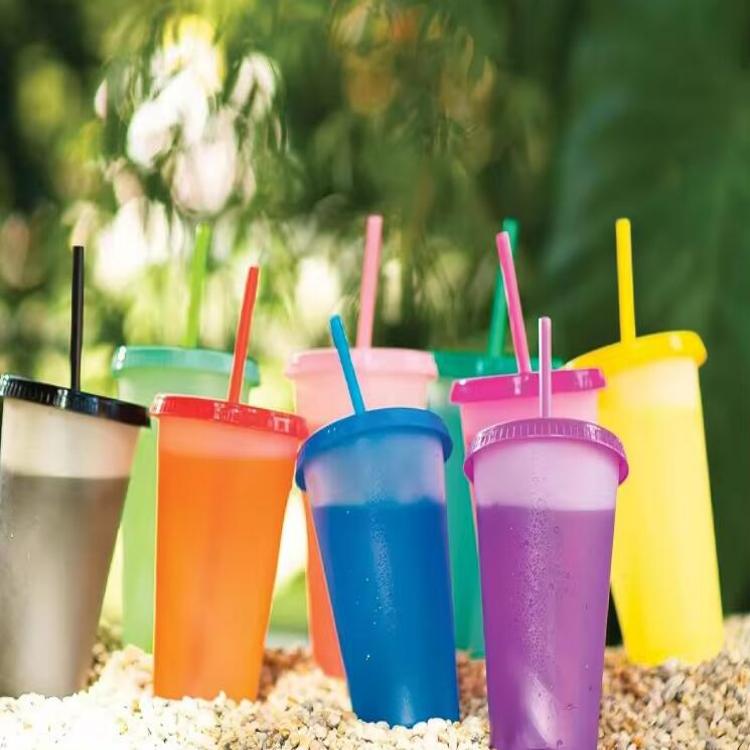
A thermochromic cup responds to temperature. Commercial thermochromic pigments can use reversible microcapsules whose appearance changes at a specified temperature. A photochromic project has a different activation requirement and should not be purchased using a generic "color changing" specification.
For temperature-sensitive products, define:
1. Initial appearance under stated conditions.
2. Temperature at which the transition becomes visible.
3. Temperature at which the intended final appearance is achieved.
4. Required transition time.
5. Recovery conditions and acceptable recovery time.
6. Acceptable variation between samples and production batches.
The supplier's nominal activation temperature alone is not an adequate acceptance specification.
For plastic cups, specify the resin, color-changing additive or coating, lid, straw, printing ink, and intended beverage conditions.
For ceramic mugs, identify the ceramic body, glaze, thermochromic finish, any sublimation layer, and final decoration.
This detail matters because food-contact compliance concerns the finished article and its foreseeable use—not simply the base material. European requirements include a general food-contact framework, manufacturing requirements, and material-specific rules for categories such as plastics and ceramics.
Request written approval before any change to resin grade, coating formulation, pigment source, printing ink, or production location.
For ordinary non-electrical drinkware, the central issue is food-contact safety. CE marking applies only where relevant legislation specifically requires it; it must not be applied simply as a general quality symbol. RoHS concerns electrical and electronic equipment, not ordinary non-electrical cups.
| Destination or requirement | Evidence buyers should request |
|---|---|
| EU plastic cups | Assessment against applicable food-contact requirements, including Regulation (EU) No 10/2011 as amended, migration testing, and a suitable declaration of compliance |
| EU ceramic mugs | Evidence addressing the general food-contact framework and applicable ceramic-specific requirements |
| US ceramic mugs | Appropriate evaluation of extractable lead and cadmium for the relevant ceramicware category |
| Factory quality management | Verifiable certificate status, site address, scope, and issuing body |
| Retailer-specific requirements | Testing and documentation matched to the customer's actual specification |
The European Commission explains that plastic food-contact requirements include composition restrictions and migration limits. FDA guidance likewise emphasizes that "lead-free" wording does not replace evidence about extractable lead from ceramicware.
Supplier phrases such as "FDA approved," "LFGB certified," or "food grade" should therefore trigger a document request, not end the investigation.
A strong sample does not protect the order if production materials change.
Put the approved bill of materials, sample references, supplier change-notification requirements, and retesting triggers into the purchase specification. Retain sealed reference samples with both parties.
Check the tested model, photographs, material description, colors, coating, test conditions, laboratory details, and report date.
Where several variants share one report, ask the laboratory or a qualified compliance specialist whether the grouping is justified. A report for an undecorated cup should not automatically be accepted for a differently coated finished article.
A factory may have ample ceramic forming capacity but limited thermochromic coating or printing availability.
Ask for a process-level production plan covering coating, curing, decoration, inspection, and packing. Confirm the actual production slot rather than relying on an annual headline figure.
Do not transfer care instructions from an ordinary ceramic mug to a color changing version.
Require evidence for the finished decorated product and intended cleaning or heating claim. If supporting evidence is unavailable, use appropriately limited instructions instead of broad durability promises.
A useful internal acceptance rule is to control conditioning before comparing color performance.
For a temperature-responsive product, two cups cannot be compared fairly if they begin at different temperatures or are tested with different liquid temperatures and fill volumes. A dramatic demonstration video is therefore weaker evidence than a repeatable written procedure. Thermochromic pigments respond to specified temperature conditions, which makes those conditions part of the product test itself.
Build the following into sample approval:
- A defined starting environment and stabilization period.
- Measured starting cup and liquid temperatures.
- A consistent fill volume.
- Fixed observation times.
- Consistent lighting and photography.
- Written acceptance criteria for both transition and recovery.
This is a recommended procurement control, not a claim that every listed supplier uses such a procedure. Its value is that it separates a genuine product difference from an inconsistent demonstration.
Request the business license, legal company name, production addresses, bank beneficiary details, and the relationship between the seller and each manufacturing site.
During an audit or live factory review, follow one product through the proposed process. Pay particular attention to outsourced coating, decoration, and packing.
1. Feasibility sample: Confirm the proposed material and visual effect.
2. Customized sample: Review artwork, component fit, printing, and packaging.
3. Pre-production sample: Approve the intended production materials and processes.
4. Random production inspection: Compare saleable units against the approved specification.
Agree on sample revision limits, development fees, tooling ownership, and the treatment of failed tests before paying for development.
China's export guidance distinguishes porcelain tableware under heading 6911 from other ceramic tableware under heading 6912, subject to the actual product characteristics. "Color changing cup" is a marketing description, not a complete customs classification.
Confirm with a customs professional:
- The correct destination-market tariff classification.
- Current duties and any trade-remedy measures.
- Importer responsibilities.
- Packaging and breakage allowances.
- Freight, insurance, inspection, and testing costs.
- The agreed Incoterm and named delivery point.
For ceramic products, evaluate protective packaging against the intended transport route. For all formats, clarify responsibility for transit damage, nonconforming goods, and replacement shipments.
The right color changing cup supplier depends on the project. Plastic cold-changing cups, ceramic magic mugs, standardized sublimation blanks, and development-led specialty products call for different manufacturing strengths.
Qingdao Focus On Color Industry & Trade Co., Ltd. is positioned in this shortlist as a development-oriented candidate for brands seeking customized color-changing products. The other suppliers offer different combinations of ceramic production, plastic molding, coating, decoration, and wholesale coordination.
Before selecting any partner, compare the same specification across candidates. Require clear answers about manufacturing responsibility, finished-product compliance, sample acceptance, available capacity, and material change control.
For a focused development discussion with Qingdao Focus On Color Industry & Trade Co., Ltd., prepare your target market, preferred cup material, intended color-changing effect, artwork, order quantity, packaging requirements, and launch date. Request a written feasibility assessment, sample plan, and itemized quotation before committing to bulk production.
Search the exact company name or certificate number in IAF CertSearch and review the certificate's status, scope, site information, issuing body, and update details. The platform distinguishes active, suspended, withdrawn, and expired certificates.
Then confirm any uncertainty directly with the issuing certification body. A certificate should match the relevant production site and activities; a valid sales-office certificate does not automatically establish manufacturing coverage.
Not automatically. EU plastic requirements concern composition and migration, while the broader framework addresses the safety of the food-contact article. Changes to material, additives, coatings, or intended use can affect the compliance assessment.
Ask the laboratory to justify any product-family grouping and identify which variants require additional testing. Do not accept "same cup shape" as the sole basis for shared coverage.
Not solely for that reason. Ordinary non-electrical drinkware generally does not become a CE-marked or RoHS-regulated product merely because its color changes. Those regimes have defined product scopes.
Focus first on applicable food-contact evidence. If the product adds electronic functions or enters another regulated category, obtain a fresh assessment of the complete product.
Turn the sample into a measurable specification. Record the materials, artwork, dimensions, appearance, transition conditions, component fit, packaging, and applicable performance tests.
Retain signed reference samples, require written approval for changes, and inspect randomly selected production units. The acceptance procedure should be agreed before manufacturing begins, not after a dispute.
A supplier may protect proprietary formulation details, but commercial confidentiality should not prevent an adequate compliance assessment.
Request relevant supporting documentation, traceability, change-control commitments, and confidential communication with the testing laboratory where necessary. EU rules specifically require adequate composition information to move through the supply chain to support compliance. If the supplier cannot provide a workable documentation route, postpone approval.
- European Commission: food-contact material framework, manufacturing requirements, and material-specific legislation. [food.ec.europa]
- EUR-Lex: plastic food-contact requirements under Regulation (EU) No 10/2011 and its legal summary. Consult the current amended text for an actual compliance assessment. [eur-lex.europa]
- European Union: CE-marking applicability and restrictions. [europa]
- European Commission: scope of the RoHS Directive. [environment.ec.europa]
- US FDA: ceramicware guidance, extractable lead concerns, and ceramicware testing context. [fda]
- IAF CertSearch: certificate search and status verification. [iafcertsearch]
- National Bureau of Statistics of China: 2025 statistical communiqué, published in 2026. [stats.gov]
- China–CEEC Customs Information Center: ceramic tableware classification and export declaration guidance, published in January 2025. [cceeccic]
- SkyMinder: April 2025 analysis of porcelain-tableware trade using 2023 export figures. [skyminder]
- Business Research Insights: 2026 ceramic tableware market report, including its estimate for 2025. This is a broader category than color changing cups. [businessresearchinsights]
- Thermochromic pigment supplier background: reversible microcapsules and temperature-responsive behavior. [tdpctw]
- Shenzhen Biansebao: company profile and plastic cup listings. [magicmug.goldsupplier]
- Suan Houseware: color changing cup specifications, company information, and production-network description. [suanhouse]
- Zibo Seefy: company profile and magic-mug category. [seefymug.en.made-in-china]
- Zibo Kunyang: company overview and color changing mug listings. [zbkunyang.com]
- NBE Mugs: manufacturing background, customization services, and magic-mug listings. [ceramic-mug-manufacturers]
- MECOLOUR: company history and ceramic coating factory information. [mecolour]
- Topsub: business background and magic-mug category. [topsub]
- Zibo Vanguard: company information and color changing mug category. [vanguard-ceramics]
- Zibo XuanWang: company background and ceramic mug services. [zbxuanwang]


