
Views: 220 Author: Focus Color Publish Time: 2026-09-15 Origin: Site


Content Menu
● What Is a UV Sticker for Sunscreen Reapplication?
>> How UV Detection Stickers Work
>> Why the Visual Signal Matters
>> Common Features of Smart UV Trackers
● UV Sticker vs. Smart UV Tracker: Side-by-Side Comparison
● The Most Important Difference: Sunscreen Coverage vs. Ambient UV Exposure
● When a UV Sticker Is the Better Choice
>> Best Applications for UV Stickers
>> Practical Advantages for Brands
● When a Smart UV Tracker Is the Better Choice
>> Best Applications for Smart UV Trackers
>> Limitations That Buyers Should Consider
● Expert View: The Best Sunscreen Reminder Is the One People Will Actually Use
● How to Choose the Right UV Reminder Product
>> Ask These Product-Selection Questions
● Manufacturing Considerations for Customized UV Stickers
>> 1. Do UV stickers replace sunscreen?
>> 2. Can a UV sticker tell whether sunscreen is working?
>> 3. Are smart UV trackers more accurate than UV stickers?
>> 4. Can UV detection stickers be customized with a company logo?
>> 5. Are UV stickers suitable for swimming and sports?
>> 6. How long does a sunscreen reminder sticker last?
>> 7. What should brands test before launching a private-label UV sticker?
Choosing between a UV sticker and a smart UV tracker depends on what kind of sunscreen reapplication reminder a user needs: a simple visual signal, detailed exposure data, or both. For brands, distributors, outdoor-event organizers, and personal-care product developers, the decision also affects cost, usability, customization options, sustainability, and the customer experience.
A UV sticker offers an immediate color-based reminder that users can see directly on their skin or clothing. Smart UV trackers, by contrast, typically use electronic sensors, mobile connectivity, and data-driven alerts. Both can support better sun-care habits, but they solve the reminder problem in very different ways.
For a manufacturer of photochromic materials, thermochromic products, liquid crystal temperature indicators, and customized sensory products, the comparison is especially relevant. Photochromic UV stickers can deliver a practical, low-barrier visual experience, while electronic trackers may suit users who expect app dashboards, long-term personal data, and connected-device features.
This guide explains the real-world differences between UV detection stickers and smart UV trackers, including how they work, where each performs best, and how brands can select the right solution for sunscreen reapplication reminders.

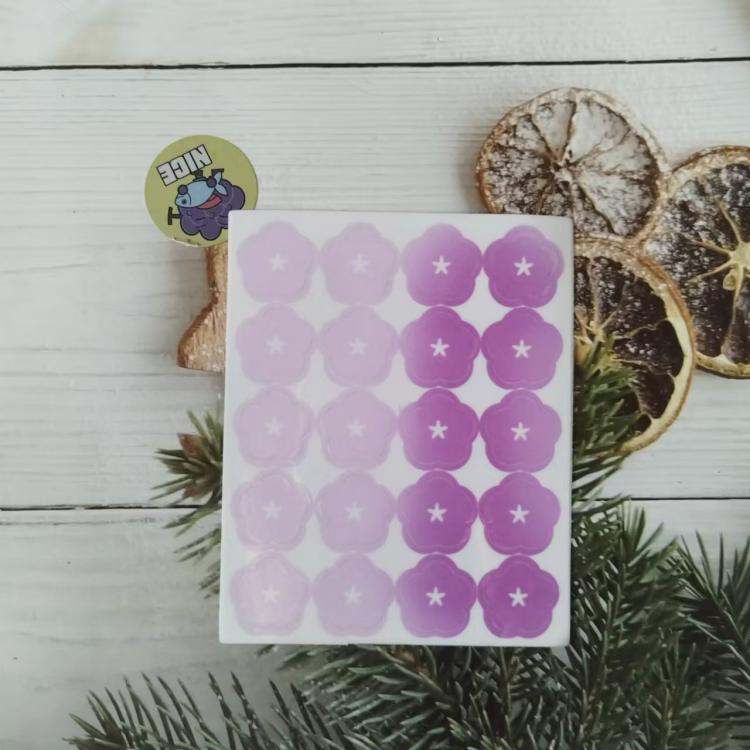
A UV sticker is a small skin-safe or wearable indicator designed to change color when exposed to ultraviolet radiation. Depending on its material system and product design, the color response may indicate UV exposure, sunscreen coverage, accumulated exposure, or the point at which sunscreen protection may need to be renewed.
Most sunscreen reminder stickers are based on UV-sensitive color-change technology. When the sticker receives ultraviolet light, its pigment or active layer changes appearance. If sunscreen is applied over the sticker, the sunscreen filters part of the incoming UV radiation. As the sunscreen film becomes less effective because of time, sweat, water, friction, or incomplete application, the sticker can gradually return to a more visible warning color.
The fundamental value is simple: the user does not need to interpret a complicated number before taking action. A visible color shift creates a direct behavioral prompt.
A UV detection sticker generally includes several functional layers:
- A skin-contact adhesive or wearable backing.
- A UV-responsive color-change layer.
- A protective top layer that supports product stability.
- Optional printed branding, instructions, QR codes, or campaign graphics.
- Packaging suited to retail, travel kits, promotional events, or medical-adjacent education programs.
When exposed to sunlight, the active material reacts to UV radiation. The exact response depends on formulation, pigment chemistry, printing process, layer thickness, UV wavelength sensitivity, and whether sunscreen is applied over the sticker.
Some products are designed to shift from a colored state to a lighter or clearer state after sunscreen coverage. Others become darker with rising UV exposure. Some products focus on cumulative UV dose, while others are designed around visible reapplication reminders.
The main advantage of a UV sticker is its low cognitive load. A person at the beach, on a construction site, hiking, coaching sports, or watching children outdoors may not check an app regularly. But a visible color change on the arm, shoulder, neck, hat, or wearable accessory is hard to ignore.
A well-designed sticker can turn an abstract instruction—"reapply sunscreen every two hours"—into a contextual signal based on the user's actual outdoor conditions.
That matters because sunscreen performance is not determined by time alone. Water exposure, perspiration, towel drying, physical contact, product quantity, and UV intensity can all influence how consistently sunscreen remains on the skin.
A smart UV tracker is usually an electronic device that measures UV exposure through sensors and delivers information through an onboard display, vibration alert, LED indicator, or connected mobile app. Some models are worn as wristbands, clips, pendants, patches, watches, or accessories.
Unlike a basic UV sticker, a smart UV tracker can collect and interpret data over time. Depending on the product, it may estimate UVA and UVB exposure, track cumulative dose, use location-based weather information, combine UV information with skin-profile settings, or send reminders based on the user's behavior and selected preferences.
Smart UV trackers can include:
- UV sensor hardware.
- Bluetooth or wireless connectivity.
- Mobile app synchronization.
- Personalized exposure settings.
- Historical reports and exposure trends.
- Notification reminders.
- Battery or charging systems.
- Weather, location, and UV-index integration.
- Multi-sensor features such as temperature, humidity, activity, or heart-rate monitoring.
A smart tracker can be useful for consumers who enjoy quantified self-data, athletes who already use wearable devices, or parents who want more structured exposure records for family activities.
However, more technology also creates more points of friction. Users may need to charge the device, connect it to an app, enable notifications, update software, understand data displays, and remember to wear the tracker in a position that receives representative sunlight.
The right product depends on the use case rather than on technology alone. The following table compares the two formats from the perspective of sunscreen reminder effectiveness, user convenience, product development, and commercial deployment.
| Comparison Factor | UV Sticker | Smart UV Tracker |
|---|---|---|
| Primary reminder format | Visible color change | Digital notification, display, vibration, or app alert |
| Power requirement | No battery required | Requires battery, charging, or energy management |
| Setup process | Apply sticker and follow product instructions | Pair, configure, charge, wear, and often connect to an app |
| Ease of use | Very simple for most age groups | Can involve higher learning effort |
| Sunscreen interaction | Can be designed to visually respond beneath sunscreen | Usually measures ambient exposure, not sunscreen coverage directly |
| Cost level | Generally lower for scalable distribution | Usually higher due to sensors and electronics |
| Branding flexibility | High: shape, color, printing, packaging, private label | Moderate: device housing and app interface require more development |
| Data depth | Limited visual information | Detailed exposure history and personal analytics |
| Suitability for mass campaigns | Excellent for samples, events, schools, and retail bundles | Better for premium programs and technology-focused users |
| Water and sweat considerations | Depends on adhesive, coatings, and product design | Depends on enclosure rating and electronic durability |
| Sustainability considerations | Single-use or short-use product unless reusable design is developed | Reusable hardware but includes electronics, batteries, and end-of-life recycling concerns |
| Best for | Immediate sunscreen reapplication cues | Long-term tracking and connected health routines |
The biggest difference is not merely "sticker versus device." It is visible sunscreen-related feedback versus digital exposure monitoring.
A sticker may be especially useful when the goal is to make users notice that sunscreen should be reapplied. A tracker may be more appropriate when the goal is to collect, compare, and review sun-exposure behavior over days or weeks.
Many buyers assume every UV monitoring product performs the same function. In practice, this is one of the most important product-selection questions.
A smart UV tracker generally measures the UV light reaching the device. That can be useful for estimating ambient exposure. But unless it is specifically designed and validated to account for sunscreen application on skin, it does not necessarily show whether the user applied enough sunscreen, rubbed it away, or missed parts of the body.
A sunscreen-responsive UV sticker can be positioned differently. If it is applied to the skin and covered with the same sunscreen used on nearby skin, its visual response may provide a more direct reminder related to the sunscreen layer over that specific area.
This does not mean a sticker replaces proper sun-protection behavior. It should instead support a broader routine:
1. Apply broad-spectrum sunscreen generously and evenly.
2. Cover the UV sticker as directed by the product instructions.
3. Watch for the designated color-change reminder.
4. Reapply sunscreen according to the product signal and outdoor conditions.
5. Add protective clothing, sunglasses, hats, shade, and exposure reduction where appropriate.
The sticker can make the reminder more tangible, but it cannot confirm that sunscreen was applied evenly to every part of the body.

A UV sticker is often the better option when the business goal is broad adoption, simple education, product sampling, or a low-cost sunscreen reminder that works without a phone.
Sunscreen brands and promotional bundles
A private-label UV sticker can be included with sunscreen bottles, travel kits, beach products, children's outdoor products, and summer promotional packs. It adds a practical reason for consumers to engage with the brand beyond the initial purchase.
Outdoor events and tourism programs
Beach resorts, music festivals, sports events, water parks, campsites, and travel retailers can distribute UV indicator stickers as practical safety items. A bright, easy-to-understand color change is more accessible than a technical app download.
Children's and family-focused products
Parents often need quick, visible signals during active outdoor play. A customized UV sticker can help reinforce sunscreen routines, although adults should remain responsible for regular protection, supervision, and exposure reduction.
Retail and pharmacy education campaigns
Retailers and public-health-oriented initiatives can use photochromic indicators as educational tools. They demonstrate that UV radiation is present even when users may not feel intense heat.
OEM and private-label programs
Manufacturers can customize sticker size, visual color transition, adhesive format, package count, printed instructions, and brand presentation. This makes UV stickers attractive for distributors seeking differentiated products without developing electronic hardware.
From a product-development perspective, photochromic UV stickers offer several commercial benefits:
- Fast visual engagement at the point of sale.
- Flexible artwork for seasonal campaigns and private labeling.
- Low barrier to use because no application download is needed.
- Compact packaging for e-commerce and retail displays.
- Easy inclusion in promotional kits and sunscreen gift sets.
- Potential for customized formats, including circles, strips, logos, character shapes, and instructional labels.
For brands that need a reliable, scalable product with strong visual storytelling, a UV sticker can be a compelling choice.
A smart UV tracker is most useful when users value digital monitoring, personalized records, and connected reminders more than instant visual simplicity.
Premium wellness and wearable brands
Consumers who already use fitness watches, sleep trackers, and wellness apps may welcome UV data as another part of their daily personal-health dashboard.
Professional outdoor users
Athletes, golfers, hikers, sailors, cyclists, and outdoor workers may appreciate exposure history, alert customization, and longer-term data patterns. The device should still be designed to withstand sweat, moisture, impact, and changing outdoor conditions.
Research, pilot programs, and behavior studies
Connected trackers can support anonymized study designs, usage research, and long-term exposure observation when participants consent to the data process.
Family accounts and routine tracking
An app may enable parents or caregivers to monitor reminders, schedules, and activity-related behavior. However, data privacy, consent, battery management, and user setup must be handled carefully.
Smart UV trackers can look more advanced, but technology alone does not guarantee better sun-care behavior. Common barriers include:
- The user forgets to charge the device.
- Notifications are disabled or ignored.
- The tracker is worn under clothing or in shade.
- The sensor does not represent exposure across the full body.
- The user assumes the device replaces sunscreen or other protection.
- App permissions, account setup, and location access discourage use.
- Hardware price limits mass-market distribution.
For a product to work in real life, it must fit naturally into an existing routine. A reminder is only valuable if people notice it and act on it.
In product design, it is easy to overvalue technical complexity. A device with sensors, connectivity, and dashboards may seem more innovative than a simple color-changing sticker. Yet the practical question is not "Which product has more features?" It is "Which product helps the user take the right action at the right moment?"
From an industrial product perspective, the most effective solution often reduces decision-making.
A photochromic sticker can deliver a direct message: the visible color has changed, so check your sunscreen routine now. No charging. No screen. No account. No data interpretation.
A smart tracker can add value where users want deeper information. But it should be designed as a behavioral tool, not merely a data collector. The most successful connected products convert measurements into plain-language prompts such as:
- Reapply sunscreen now.
- Seek shade soon.
- UV conditions are increasing.
- Your planned outdoor time may exceed your selected exposure target.
- Wear protective clothing before continuing outdoor activity.
Both products can coexist. A sunscreen brand may include UV stickers in standard retail packs while offering a smart wearable as a premium companion product. This creates a layered product strategy that serves both simple and data-rich customer journeys.
Before selecting a UV sticker or smart tracker, buyers should define the real customer scenario.
1. Who will use the product?
Consider age, technical comfort, outdoor lifestyle, and expected use frequency.
2. Is the main objective reapplication reminders or exposure analytics?
Choose stickers for immediate visual prompts. Choose trackers for ongoing data collection and connected insights.
3. Will users be willing to install an app?
If app adoption is uncertain, a visual UV sticker may achieve higher participation.
4. Will the product be distributed at scale?
Stickers are often better suited to samples, events, travel kits, and retail promotions.
5. Does the brand need customization?
Custom shape, logo printing, packaging design, and color effects are particularly relevant for private-label UV sticker projects.
6. What environment will the product face?
Test adhesion, water resistance, sweat resistance, UV response, package stability, skin-contact safety, and visual readability under real outdoor conditions.
7. What claim can the product responsibly support?
Product language should match validation results. Avoid implying that a sticker or tracker prevents sunburn, eliminates risk, or replaces sunscreen and protective clothing.
For OEM and ODM buyers, a UV sticker is not simply a printed label. Performance depends on material selection, manufacturing control, and user-oriented design.
A professional development process should evaluate:
- Photochromic pigment selection and UV response range.
- Color contrast in bright outdoor light.
- Sticker size and placement instructions.
- Adhesive comfort and skin-contact compatibility.
- Waterproof and sweat-resistant layer design.
- Compatibility with sunscreen ingredients.
- Color transition repeatability.
- Shelf-life stability and packaging barriers.
- Printing quality for logos and usage instructions.
- Batch consistency during large-scale manufacturing.
- Regional labeling and product-compliance requirements.
Qingdao Focus On Color Industry & Trade Co., Ltd. brings more than 13 years of manufacturing experience across photochromic, thermochromic, liquid crystal temperature-indicator, and fragrance-related product categories. For customers developing UV-responsive promotional materials or consumer products, the company can support OEM, ODM, and customized design requirements across product appearance, color effects, packaging, and commercial presentation.
The most successful project starts with a clear user scenario. A beach promotional sticker, for example, needs very different adhesion, packaging, color visibility, and instruction design from a UV indicator used in a children's outdoor activity kit or an industrial safety-awareness campaign.
For most sunscreen brands, retailers, promotional campaigns, and high-volume consumer programs, a UV sticker is the more accessible sunscreen reapplication reminder. It is visible, easy to distribute, requires no battery, and can be customized for brand identity and campaign goals.
A smart UV tracker is better suited to premium users who want connected data, exposure history, and wearable-device integration. It may provide more information, but it also requires more user commitment.
The strongest approach is to match the product to the behavior you want to encourage. If the priority is helping people notice a practical sunscreen reminder while outdoors, a high-contrast photochromic UV sticker can provide a direct and intuitive answer.
Looking for a customized UV sticker solution? Contact Qingdao Focus On Color Industry & Trade Co., Ltd. to discuss photochromic material options, custom shapes, private-label packaging, OEM production, ODM product development, and UV-responsive designs tailored to your target market.
No. A UV sticker does not replace sunscreen, protective clothing, shade, sunglasses, or responsible outdoor behavior. It is a visual reminder tool that can help users monitor when they may need to reapply sunscreen.
A UV sticker can provide a visible indication based on how its UV-responsive material reacts beneath sunscreen. However, it does not confirm full-body coverage, the exact SPF level on every area, or complete protection from UV-related skin damage.
Not necessarily. They measure different things. Smart UV trackers generally monitor ambient UV exposure at the device location, while sunscreen-oriented UV stickers can be designed to provide a localized visual response associated with sunscreen coverage over the sticker.
Yes. Customized UV stickers can be developed with branded shapes, logo printing, packaging, instruction cards, retail cartons, and color-change effects suitable for promotional, private-label, or product-bundling programs.
It depends on the adhesive system, protective layers, and usage conditions. For water sports, fitness, beach use, or children's outdoor activities, the sticker should be tested for water resistance, sweat resistance, movement, and skin adhesion.
Usage duration depends on the specific material system and product design. Some UV stickers are intended for a single outdoor session, while others may support repeated sunscreen reapplication cycles within a defined period. Brands should provide clear product-specific instructions.
Brands should test color visibility, UV sensitivity, sunscreen compatibility, adhesion, water and sweat resistance, packaging stability, skin-contact safety, shelf life, print durability, and user comprehension of the color-change signal.
1. [American Academy of Dermatology Association: How to Apply Sunscreen]
2. [U.S. Food and Drug Administration: Sunscreen—How to Help Protect Your Skin from the Sun]
3. [U.S. Environmental Protection Agency: Sun Safety and Ultraviolet Radiation]
4. [World Health Organization: Ultraviolet Radiation]
5. [Skin Cancer Foundation: Sunscreen]
6. [SpotMyUV: UV Detection Sticker Use Instructions]
7. [SmartSun: UV Sticker Product Information]
8. [SmartSun: Frequently Asked Questions About UV Dosimeters]


