+86 18560646018

Views: 210 Author: Focus Color Publish Time: 2026-09-29 Origin: Site


Content Menu
● Why Subscription Box Retention Depends on the Entire Experience
● Scented Bookmarks vs. Plain Inserts: A Practical Comparison
● How Scented Bookmarks Can Strengthen the Reading Ritual
>> Where a Scented Bookmark Adds Value
● Why Plain Inserts Still Earn Their Place
● A Better Option: Let Each Piece Do a Different Job
● Manufacturer's Checklist for a Book-Friendly Scented Bookmark
● How to Test Which Insert Actually Improves Retention
● Which Option Should Your Book Box Choose?
>> Are scented bookmarks better than plain inserts for retention?
>> Will fragrance damage the books in a subscription box?
>> What if some subscribers do not want fragrance?
>> Can a scented bookmark replace an editor's letter?
>> How should a book box measure insert performance?
>> What should buyers request from a custom bookmark manufacturer?
Book subscription boxes need more than a pleasant unboxing moment. They need reasons for readers to stay after the first delivery. In the choice between scented bookmarks vs. plain inserts, the better retention tool depends on audience preferences, reading habits, packaging controls, and cost. A scented bookmark can become a keepsake that travels with the book. A plain insert can deliver recommendations, useful information, and a compelling reason to renew. Neither format guarantees another paid month. The strongest strategy begins with a reader benefit, then tests whether scent adds value.

A reader decides whether to renew based primarily on the books, curation, price, delivery, and service. An insert is a supporting touchpoint, not a substitute for the core offer. Its job is to make the box feel more relevant and to create a useful connection between one shipment and the next.
Research on e-commerce subscriptions provides context, though not a forecast for book boxes. In a 2017 US consumer survey published in 2018, McKinsey found that 28% of curation subscribers named a personalized experience as their most important reason for continuing. Nearly 40% of surveyed e-commerce subscribers had canceled a subscription. Those figures describe multiple categories; they do not measure the effect of bookmarks or inserts on reader retention.
For book clubs, the practical question is therefore: What will the subscriber keep, read, or act on after opening the parcel? A message that disappears with the packaging has limited opportunity to influence the next renewal. An object used throughout a novel has more opportunities, but only if readers enjoy it.
| Decision factor | Scented bookmark | Plain insert |
|---|---|---|
| Main function | Marks a page and adds a sensory cue | Communicates recommendations, benefits, and next steps |
| Engagement window | Potentially lasts across multiple reading sessions | Often strongest during unboxing, unless kept for reference |
| Personalization | Artwork, scent family, message, genre, and season | Copy, recommendations, reader name, offer, and QR destination |
| Reader control | Requires careful packaging and an unscented option | Simple to distribute to all subscribers |
| Operational complexity | Fragrance approval, scent consistency, transfer testing, sealing | Print quality, version control, and accurate links |
| Likely unit economics | Higher production and handling costs | Typically simpler and less expensive to print |
| Best fit | Curated, giftable experiences with proven scent acceptance | Welcome notes, reading guides, renewal information, and broad audiences |
The comparison is not "premium versus basic." A beautifully written plain insert may help readers discover their next favorite author. A poorly executed scented bookmark may make an otherwise excellent hardcover feel contaminated. Usefulness and fit matter more than novelty.
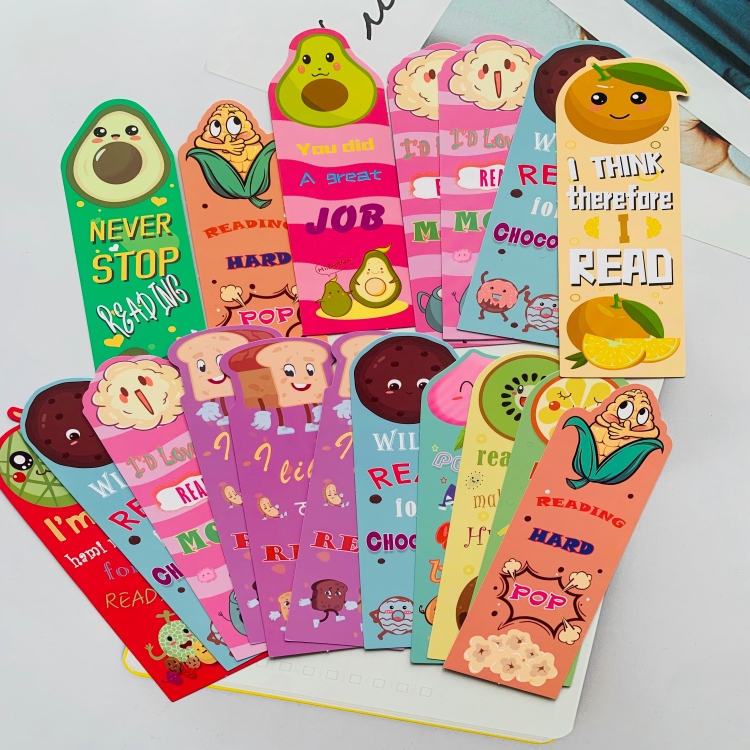
A bookmark has a built-in reason to stay near the customer: it holds a place in the story. Add restrained fragrance, and it can create a distinctive sensory impression each time the reader returns to the book. For a fantasy box, a forest-inspired note might support the theme; for a coastal mystery, a light marine-inspired concept may feel coherent. These are creative examples, not evidence that those particular scents increase renewals.
In a study comparing memory cues, psychologist Rachel Herz found that memories evoked by odors were more emotional and evocative than memories cued by the same items in visual or auditory form. That finding supports a plausible memory mechanism, not a claim that scented bookmarks raise customer lifetime value. A pleasant association can help a brand feel recognizable, but retention must still be measured in the subscription itself.
- Repeated use: The reader may handle it whenever they pause or resume a book.
- Theme continuity: A consistent visual and fragrance concept can make each month's edition feel intentional.
- Collectibility: Numbered designs or genre-specific artwork give subscribers a reason to keep a series.
- Gift appeal: A discreetly scented keepsake may make a gift box feel thoughtfully assembled.
- Customization: An original quote, reading prompt, or short editor's note makes the bookmark useful beyond its aroma.
Avoid treating fragrance intensity as a proxy for quality. A subtle scent that stays on the bookmark may be preferable to a powerful aroma that spreads to pages, dust jackets, or adjacent items. Fragrance can also fade during storage or transit. Sample the finished, packed product—not just an unsealed fragrance swatch—before committing to a run.
Some readers prefer unscented books or may react negatively to fragranced products. A dermatology review estimated fragrance allergy prevalence in the general population at 0.7%–2.6%. That figure does not measure reactions to bookmarks specifically; it underscores why scent should be an opt-in enhancement, not an assumed universal benefit.
The simplest safeguard is a clear fragrance preference at sign-up and in account settings. Keep unscented stock available, describe the scent without promising medical or therapeutic effects, and make it easy to change preferences. For a book-specific product, also test for visible oil marks, ink transfer, changes to paper finish, and odor transfer into the book.
A plain insert is not merely the low-cost alternative. It can solve problems a scented bookmark cannot. A well-designed card can explain why a title was chosen, introduce the curator, point to a discussion guide, or show subscribers how to update genre preferences. These actions connect the package to the wider service.
The best plain insert offers one clear next step. For example: "Loved this month's quiet mystery? Scan to tell us whether you want more character-driven stories." That prompt gives the brand actionable preference data and tells readers their feedback can shape future selections. It is more relevant to retention than a generic "Follow us" message.
- Editor's letter: A short, specific explanation of the monthly selection.
- Reading companion: Discussion questions, content notes, or author background.
- Preference card: A simple route to update genre, format, or fragrance choices.
- Renewal reminder: A transparent note about the next shipment or billing date.
- Referral card: A shareable invitation, with terms stated clearly.
The weakness of an insert is disposability. If it repeats information already on the packing slip or sends readers to a vague homepage, it may go straight into recycling. Give it a purpose that fits the moment: a question to answer before chapter one, a list to consult after finishing, or a link to the next month's theme preview.
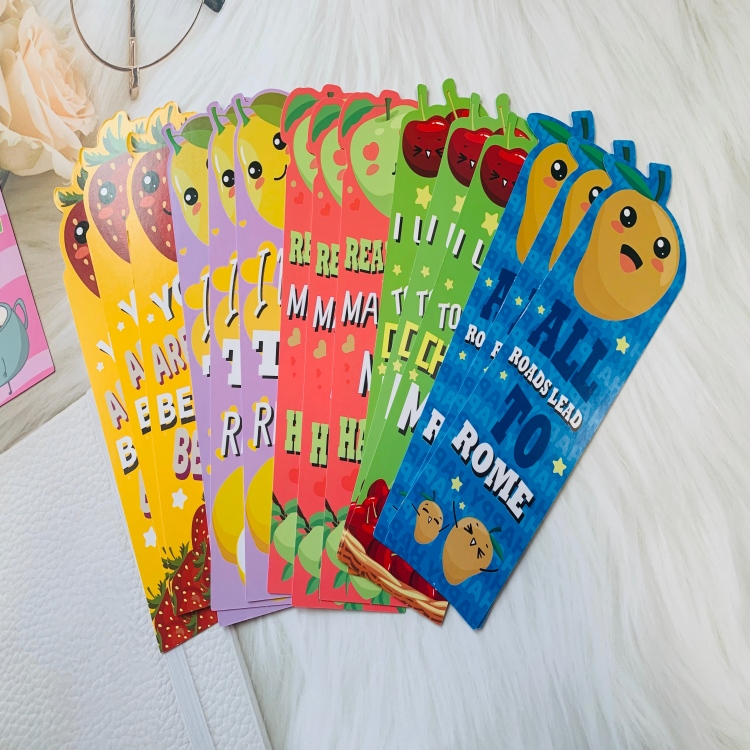
The two formats are not mutually exclusive. A subscription box can use a scented bookmark for ongoing enjoyment and a compact plain insert for information that changes each month. But adding both should not be automatic. Every extra component increases cost, packing time, and potential waste.
One workable design is a two-part kit. Print a durable bookmark with artwork and a brief reading prompt. Put the curator's letter and preference link on a separate recyclable card. Offer an unscented version of the bookmark using the same artwork, so readers do not lose the collectible element when they decline fragrance. If the budget allows only one piece, consider a functional plain bookmark with the most important message printed on it.
This division also protects clarity. A bookmark has little room for lengthy terms or multiple QR codes. A plain card can carry instructions without making the keepsake visually crowded. Keep the subscriber's next action visible and avoid changing the destination after printing without checking the reader journey.
From a production perspective, the critical question is not simply "Which fragrance smells best?" It is "Will the finished bookmark remain pleasant and usable beside a printed book?" Qingdao Focus On Color Industry & Trade Co., Ltd. describes more than 13 years of manufacturing experience and offers OEM/ODM and personalized customization. For a book-box project, those capabilities are most useful when translated into a written specification and approved samples rather than broad promises.
Ask the manufacturer to align on these points before mass production:
1. Define the substrate and dimensions. Confirm thickness, edge finish, print method, and whether the bookmark sits comfortably between pages.
2. Choose the fragrance format. Specify where scent is applied and whether a barrier or sleeve separates it from the book.
3. Request fragrance documentation. Ask for the relevant safety information and confirmation that the fragrance is suitable for the intended finished-product use. The applicable IFRA assessment should match the actual product and exposure scenario; do not assume a certificate for another application covers a bookmark.
4. Test the full pack-out. Store the bookmark with the actual book, box, and other components under expected shipping and storage conditions. Check for transfer, staining, and scent migration.
5. Set acceptance criteria. Agree on artwork alignment, scent range, visible defects, packaging seal, batch consistency, and the unscented alternative.
6. Approve a production sample. Compare it against the signed specification before scaling or promising delivery dates.
If environmental claims will appear on packaging, substantiate them for the finished item and destination market. A paper bookmark with a coating or fragrance treatment should not automatically be called recyclable. Likewise, "natural" does not mean non-irritating.
Anecdotes about a memorable unboxing are useful for creative direction, but they cannot establish an effect on paid renewals. Run a controlled test before applying scent to every shipment. Keep the books, price, shipping window, and promotional emails as consistent as possible across groups.
1. Group A: Plain insert with a clear reading-related action.
2. Group B: Unscented bookmark with the same artwork and action.
3. Group C: Scented bookmark with the same artwork and action, offered only to readers who accept fragrance.
The fragrance opt-in makes Group C different from a fully random sample. To interpret results fairly, compare scented and unscented treatments within fragrance-accepting subscribers, or separately report that the scented group is self-selected. Do not attribute a higher renewal rate to scent if the people choosing scent were already more engaged.
Choose one primary outcome before the test: for example, the proportion of eligible subscribers who pay for the next box. Track secondary measures such as QR visits, preference updates, customer-service complaints, reported scent enjoyment, and insert cost per shipped box. Define exclusions, including gift subscriptions and paused accounts, before looking at results.
A simple decision rule is: incremental contribution from retained subscribers must exceed the extra landed cost of the scented version. Landed cost includes manufacturing, packaging, freight, additional packing labor, and replacements for damaged stock. Even a popular bookmark is not a retention win if its cost outweighs its measured benefit. When volumes are small, treat results as directional and repeat the test instead of claiming a definitive uplift.
Choose a plain insert when you need to communicate essential information, serve a fragrance-averse audience, or keep operations simple. Choose an unscented bookmark when lasting utility matters but scent acceptance is unknown. Pilot a scented bookmark when your readers welcome fragrance, your book-protection tests pass, and the format fits your brand story.
The strongest choice may change over the customer journey. A first box often needs an explanation of the service and an easy preference-setting step. Later boxes may benefit more from collectible pieces that reward continued membership. Review feedback by cohort rather than assuming the same insert works equally well for gift recipients, longtime subscribers, and new readers.
Ready to prototype both options? Share your book-box theme, artwork, target quantity, destination markets, preferred scent profile, and packaging requirements with Qingdao Focus On Color Industry & Trade Co., Ltd. Request a scented sample and an unscented control, then test them with real readers before placing a full OEM/ODM order.
Not necessarily. A scented bookmark can be kept and reused, while a plain insert can communicate recommendations and drive preference updates. Compare paid renewal rates for your own subscribers rather than assuming either format wins.
It can if the finished product transfers oil, stains paper, or allows scent to migrate. Test the assembled box with the actual book materials and shipping conditions. Use protective separation if testing shows it is needed.
Provide a clearly labeled unscented option. Let readers choose during sign-up and change that preference later. Keep the visual design comparable so declining scent does not feel like receiving a lesser gift.
Only if it has enough room to deliver the letter's essential value. For detailed reading notes, billing information, or recommendations, a separate plain card or accessible digital page is usually clearer.
Set a primary metric such as next-box paid renewal, then track engagement, complaints, and landed cost. Compare similar subscribers and hold other parts of the offer steady. A QR scan alone is not proof of retention.
Request material specifications, finished samples, fragrance-use documentation, packaging details, quality criteria, and a confirmed unscented version. Approve the finished product with a real book before bulk production.
- Chen, Tony, Ken Fenyo, Sylvia Yang, and Jessica Zhang. ["Thinking Inside the Subscription Box: New Research on E-commerce Consumers."] McKinsey & Company, February 2018. Survey fielded November 2017; used for cross-category subscription context, not bookmark-specific outcomes. [mckinsey]
- Herz, Rachel S. ["A Naturalistic Analysis of Autobiographical Memories Triggered by Olfactory Visual and Auditory Stimuli."] *Chemical Senses*, 29(3), 2004, pp. 217–224. DOI: 10.1093/chemse/bjh025. Used for the limited claim about odor-evoked emotional memories. [pubmed.ncbi.nlm.nih]
- Reeder, Margo J. ["Allergic Contact Dermatitis to Fragrances."] *Dermatologic Clinics*, 38(3), 2020, pp. 371–377. DOI: 10.1016/j.det.2020.02.009. Used for general-population fragrance-allergy prevalence, not bookmark-specific risk. [pubmed.ncbi.nlm.nih]
- International Fragrance Association. ["Using the IFRA Standards."] Guidance on responsible application of fragrance standards to intended uses. [ifrafragrance]
- U.S. Federal Trade Commission. ["Green Guides."] Guidance on substantiating and qualifying environmental marketing claims. [ftc]


