+86 18560646018

Views: 263 Author: Focus Color Publish Time: 2026-09-27 Origin: Site


Content Menu
● How Scratch and Sniff Stickers Work
>> Why the Finished Design Matters
● Can Fragrance Cause a Reaction?
>> A Better Option for Shared Spaces
● What If Someone Swallows a Sticker?
● How Buyers Can Verify Safety Claims
>> What an IFRA Document Can and Cannot Show
>> Questions Worth Sending to a Supplier
● A Manufacturing Perspective on Safer Design
● Make the Right Product Decision
● FAQ: Scratch and Sniff Sticker Safety
>> Are scratch and sniff stickers toxic when scratched?
>> Is it safe for a child to lick a scented sticker?
>> Do scratch and sniff stickers contain harmful chemicals?
>> Can someone with asthma use scented stickers?
>> Does an IFRA certificate prove a sticker is safe?
>> Are scratch and sniff stickers safe on food packaging?
>> What should I send when ordering custom stickers?
Are scratch and sniff stickers toxic? There is no single answer that applies to every sticker. A well-made product used as directed is different from an unverified sticker, a product placed in a child's mouth, or one used by someone sensitive to fragrance. The sensible approach is to check the materials, intended age group, instructions, and evidence behind any safety claim.
For parents, the immediate questions are simple: Can my child use it? What if they swallow it? For brands and importers, the questions go further. They need to know whether the finished sticker—not just its fragrance—has been assessed for its intended use and destination market.

Most scratch and sniff stickers use microencapsulation. Tiny capsules containing fragrance are held in a coating on the printed surface. Gentle rubbing breaks some capsules and releases scent into the air. The user smells the fragrance rather than needing to touch a pool of scented liquid.
A finished sticker may also contain ink, adhesive, a paper or film substrate, and packaging materials. Its safety cannot be determined by assessing the fragrance alone. The formula, coating durability, how the sticker is handled, and who will use it all matter.
The word "chemical" is not a useful shortcut for judging risk. Fragrances may contain many ingredients, whether they smell like fruit, flowers, candy, or something else. Likewise, "natural" does not automatically mean suitable for every person or every application. Buyers should ask for information relevant to the actual finished product.
"Non-toxic" on a package can be reassuring, but it is not a substitute for product-specific evidence. It does not mean the sticker is edible, safe for every child, suitable for direct food contact, or incapable of causing irritation. Nor does it tell a buyer which materials were evaluated.
A more useful question is: *Safe for which use, by whom, and under what conditions?* Consider the difference between a scented insert in a sealed catalog and a small, brightly colored sticker supplied for a preschool activity. Their likely handling—and the questions a responsible buyer should ask—are not identical.
| Situation | Main question to ask |
|---|---|
| Occasional scratching on a notebook | Is the finished product appropriate for normal handling? |
| Use in a children's activity | Is its age grading and product classification appropriate? |
| Use by someone sensitive to scents | Could the fragrance trigger discomfort or irritation? |
| Accidental chewing or swallowing | What was swallowed, and is medical advice needed? |
| Use on food packaging | Is the scented area separated from food and food-contact surfaces? |
The practical takeaway is to avoid both extremes. There is no basis for calling every scented sticker dangerous, but a pleasant smell or a broad "non-toxic" label does not prove that every design is appropriate for every use.
Children often enjoy the combination of a picture, a rubbing action, and a matching scent. Yet age suitability depends on the finished product, not on the fact that it is called a sticker.
A sticker sold as stationery may be treated differently from one designed or marketed as a plaything. For a children's product, the buyer should establish the intended age range, how children will handle it, and which requirements apply in the destination market. A removable sticker, its backing, or another component may also create a different concern from the fragrance itself.
For everyday use, these precautions are straightforward:
- Read the product label and follow its stated age guidance.
- Supervise young children, especially those likely to put objects in their mouths.
- Teach children to rub the scent area gently, not chew or lick it.
- Keep unused stickers, backing sheets, and packaging out of reach of toddlers.
- Stop use if the scent or coating appears to cause discomfort.
An age warning should never be used as a shortcut around product design. If a project is intended for very young children, ask whether a detachable scented sticker is the right format at all.
A scratch and sniff label applied inside a supervised classroom workbook presents a different use pattern from loose stickers handed out as party favors. In the second setting, individual pieces may be carried around, shared, or handled without close supervision.
That difference affects decisions about size, substrate, adhesive, scent strength, instructions, and packaging. It also affects which tests and warnings may be relevant. Decide how the product will actually be used before approving its construction.
Yes. A sticker does not have to be "poisonous" to be unsuitable for a particular user. Some people find fragrances irritating or experience symptoms around scented products. Direct contact with certain fragrance ingredients can also cause skin reactions in susceptible people.
Watch for a rash after contact, discomfort from a strong smell, or breathing symptoms in someone who already reacts to fragrances. If a sticker seems to be a trigger, stop using it and move away from the scent. Seek medical advice for persistent symptoms; difficulty breathing needs urgent medical attention.
Avoid another common assumption: a fruit or floral scent is not necessarily made from that fruit or flower, and a plant-derived fragrance is not automatically free from sensitization concerns. For a custom order, scent selection should consider the intended users and use conditions, not just how attractive a sample smells.
Classrooms, clinics, events, and mail campaigns bring scented material to people who did not choose it themselves. For those settings, consider a clearly marked, optional scratch area rather than a strongly scented surface that releases fragrance during ordinary handling.
This does not remove the need to assess the product. It gives users more control over whether and when they activate the scent.
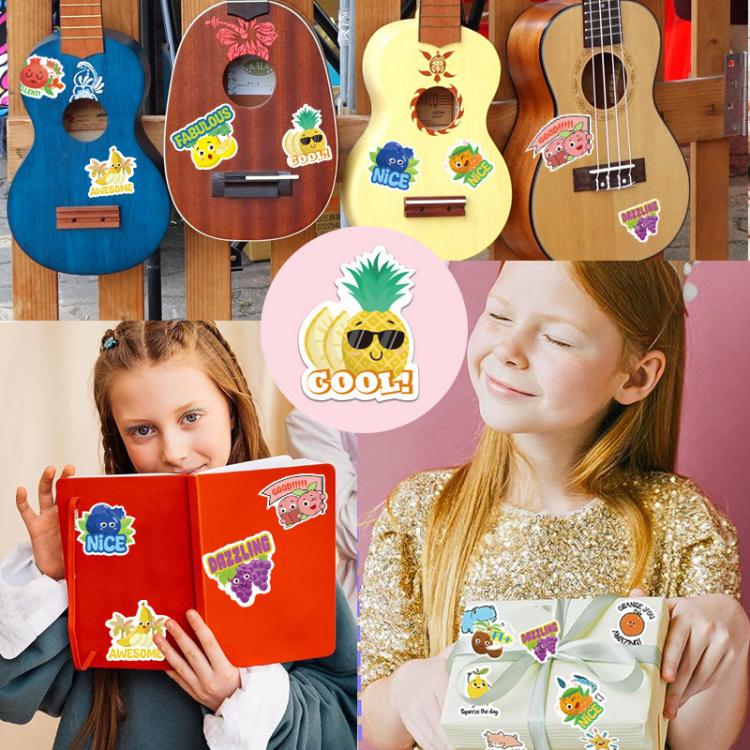
A scratch and sniff sticker is not food. If a child chews or swallows one, do not assume that a "non-toxic" claim settles the matter. The amount, material, child's age, and any symptoms can affect what to do next.
If the child is choking, coughing persistently, having trouble breathing, or showing other urgent symptoms, seek emergency help immediately. Otherwise, contact a poison center or healthcare professional for advice rather than waiting for symptoms to appear. Keep the packaging or product details available so they can identify what may have been swallowed.
Do not make the child vomit. Do not treat the fragrance coating, adhesive, or backing as safe to eat simply because the product is intended for children. The best response is based on the specific incident, not on a general description of scented stickers.
For a custom project, the most useful shift is from asking "Is it non-toxic?" to asking "What can you document for this exact specification?" A supplier should know the intended application before recommending a material or fragrance.
Use this review sequence before approving production:
1. Define the use. State the target age group, where the sticker will appear, how it will be handled, and whether it may be placed near food or skin.
2. Identify the destination market. Requirements can differ across markets and product categories. Do not assume one report covers every country.
3. Confirm the finished construction. Record the substrate, ink, fragrance coating, adhesive, backing, dimensions, and packaging.
4. Request applicable evidence. Ask which test reports, supplier declarations, and certificates relate to the final specification—not merely to a fragrance ingredient.
5. Review a production-representative sample. Check whether the scent area works with gentle rubbing and whether the coating or print visibly deteriorates.
6. Control changes. If the scent, material, adhesive, or production process changes, ask whether the earlier assessment still applies.
This is especially important for OEM and ODM work. A custom scent or new substrate can alter the finished product even when the artwork looks unchanged.
A fragrance supplier may provide a certificate showing that a specific fragrance mixture conforms to relevant IFRA standards for an intended use. That can be useful information when selecting a scent.
It is not, by itself, proof that the completed sticker is suitable for children, compliant in every market, or safe for direct food contact. The coating, adhesive, printing materials, finished format, and actual use still need appropriate consideration. Ask what the document covers, and avoid presenting a fragrance certificate as a blanket certification of the entire sticker.
A practical purchase inquiry can be concise. Include the information that determines whether the proposed product is fit for purpose:
- Who will use the stickers, and what is the intended age range?
- Where will they be placed: books, retail packaging, promotional cards, or another surface?
- Will users merely scratch them, or is frequent skin contact likely?
- Which country or region will receive the finished product?
- What fragrance, strength, sticker size, and packaging format do you need?
- Which documents and finished-product checks must be available before shipment?
These questions make quotations easier to compare. They also reveal when a supplier is offering a generic product instead of assessing your actual application.
A strawberry-scented label on a carton may help communicate a flavor, but smelling like food does not make a coating food-grade. A sticker meant for the outside of packaging should not automatically be placed where its scented coating can touch the food.
Specify exactly where the label will be applied and whether contact with food, the mouth, or the inner package is possible. If direct food contact is intended, request a separate assessment for that application rather than relying on claims made for ordinary promotional stickers.
This distinction also helps parents. A candy-like smell can encourage a young child to taste a sticker. Clear instructions and age-appropriate design matter even when the scent is part of a harmless-looking illustration.
From a product-development standpoint, safety questions are easiest to resolve before artwork and materials are locked in. A visually appealing sample cannot reveal every concern that may arise during mass production or actual use.
For example, a buyer planning scented rewards for children might initially choose several small, loose stickers with strong candy scents. Early review may prompt better questions: Is that size suitable for the intended age group? Would a sheet format reduce loose-piece handling? Could a milder scent work better in a classroom? Which product claims can the available documentation support?
These are design decisions, not claims that one format is automatically safe. A production-representative sample can then be reviewed for scent release, coating condition, print quality, adhesion, packaging, and the way users actually interact with it.
At Qingdao Focus On Color Industry & Trade Co., Ltd., our more than 13 years of manufacturing experience spans photochromic and thermochromic products, liquid crystal thermometers, and fragrance-related products. We provide OEM, ODM, and personalized customization for global customers. For a scratch and sniff project, we recommend sharing the application and destination market early so the proposed design and documentation can be discussed against your requirements.
Scratch and sniff stickers should be judged by their intended use and verified finished design, not by a universal "safe" or "toxic" label. Keep them out of mouths, consider fragrance-sensitive users, and ask for evidence that matches the actual product you plan to buy.
Planning a custom scented sticker? Send Qingdao Focus On Color Industry & Trade Co., Ltd. your target scent, artwork, intended age group, destination market, and application details. We can discuss OEM/ODM options and the product information needed for your project.
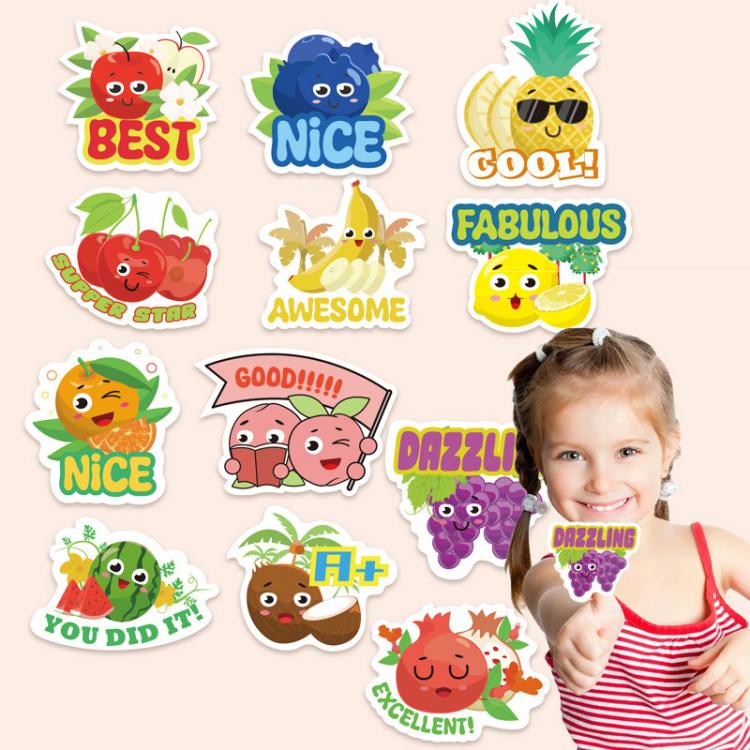
Scratching is how the scented coating is intended to release its fragrance. Whether a specific finished sticker is appropriate depends on its materials, intended users, and supporting product information. Avoid judging every product from the technology alone.
No sticker should be presented as something to lick or eat. If a child has licked or chewed one, remove access to the product and seek individualized advice if you are concerned, particularly if material was swallowed or symptoms develop.
You cannot determine that from the word "scented." Formulations vary. Ask for evidence relevant to the finished product and its intended market rather than assuming that all fragrance ingredients—or all stickers—are alike.
Fragrances can trigger symptoms in some sensitive people. If someone knows that scents affect their breathing, avoiding the sticker or choosing an unscented alternative is sensible. Seek medical advice about individual symptoms.
No. It relates to the specified fragrance mixture and intended use described in that document. It does not replace an assessment of the complete sticker or applicable finished-product requirements.
An exterior promotional application and direct food contact are different uses. Confirm placement and request application-specific evidence before using a scented sticker where its coating could contact food.
Send the artwork, dimensions, quantity, scent brief, intended users, application surface, destination market, and any documentation requirements. Ask for a production-representative sample before approving the final specification.
1. Qingdao Focus On Color Industry & Trade Co., Ltd. [How Do Scratch and Sniff Stickers Work? A Manufacturer's Guide to Scent Activation]. Manufacturer background on microencapsulation, construction, sampling, and customization.
2. U.S. Consumer Product Safety Commission. [Toy Safety Business Guidance]. Guidance on toy classification, applicable requirements, and children's toy certification.
3. U.S. Consumer Product Safety Commission. [Small Parts Ban and Choking Hazard Labeling]. Guidance on small-part hazards, exceptions, and warnings.
4. U.S. Consumer Product Safety Commission. [Children's Product Certificate]. Explanation of testing and certification for covered children's products.
5. International Fragrance Association. [Certificates of Conformity to the IFRA Standards]. Scope and limitations of fragrance-mixture conformity documents.
6. U.S. Environmental Protection Agency. [Can the Use of Fragrances Indoors Cause Health Impacts?]. Information on fragrance exposure and sensitive individuals.
7. Poison Control. [Kids Will Swallow Anything]. Advice on responding when a child swallows a non-food object.
8. Poison Control. [Safe Use of Art Products]. General precautions for children using art materials.
9. European Commission. [REACH Restriction of Synthetic Polymer Microparticles: Explanatory Guide]. Background for buyers assessing whether capsule materials raise market-specific environmental compliance questions.


