+86 18560646018

Views: 257 Author: Focus Color Publish Time: 2026-09-23 Origin: Site


Content Menu
● Why Source Liquid Crystal Sheets from China?
● How We Selected These Suppliers
>> What separates a reliable supplier from a trading listing?
● Top 10 Liquid Crystal Sheet Manufacturers and Suppliers in China
>> 1. Qingdao Focus On Color Industry & Trade Co., Ltd.
>> 3. Shanghai SH.Dream Import & Export Co., Ltd.
>> 4. Foshan Chinaplas Material Co., Ltd.
>> 5. Hefei Gee-U Lift Tech Co., Ltd.
>> 6. Suzhou Linfeng Energy Saving New Material Technology Co., Ltd.
>> 7. Shandong Haicy Technology Co., Ltd.
>> 8. Taizhou Harsoul Import & Export Co., Ltd.
>> 9. Ningbo Greetmed Medical Instruments Co., Ltd.
>> 10. Dalian Dongfu Colour LCD Co., Ltd.
● Liquid Crystal Sheet Technical Requirements
>> 1. Temperature range and response band
>> 2. Reversible versus irreversible indicators
>> 4. Adhesive and application surface
● Hidden Procurement Risks and How to Avoid Them
>> Risk 1: The sample performs well, but mass production has uneven color response
>> Risk 2: A supplier substitutes thermochromic pigment for liquid crystal technology
>> Risk 3: The quoted product has no real calibration tolerance
>> Risk 4: Adhesive failure after export or application
>> Risk 5: Certificates are outdated, unrelated, or issued for another product
● An Industry Insider Tip Few Buyers Ask About
● Buyer's Guide: How to Source Liquid Crystal Sheets Safely
>> Step 1: Write a functional specification
>> Step 2: Request a technical sample, not only a sales sample
>> Step 3: Verify the factory and product scope
>> Step 4: Check compliance based on the destination market
>> Step 5: Control the logistics conditions
>> 1. How can I verify whether a supplier's ISO certificate is still valid?
>> 2. What is a realistic MOQ for a custom liquid crystal sheet?
>> 3. Can a liquid crystal sheet be used as a medical thermometer?
>> 4. How accurate are liquid crystal thermometer sheets?
>> 5. Why does the liquid crystal color look different on different packaging materials?
China remains an important sourcing base for temperature-responsive materials, including liquid crystal sheets, liquid crystal thermometer labels, thermochromic indicators, and related color-changing products. For professional buyers, the key question is not simply where to find the lowest unit price—it is how to identify a supplier that can consistently reproduce the required temperature range, color sequence, adhesive performance, print quality, and delivery schedule across repeat orders.
Liquid crystal sheet is a specialized functional material. Its visible color response depends on the liquid crystal formulation, temperature calibration, coating uniformity, protective-film construction, substrate selection, and printing process. A small deviation in formulation or lamination can create a product that looks acceptable in a first sample but performs inconsistently in production, especially across different ambient temperatures, substrates, and storage conditions.
This article provides a practical supplier-selection framework and introduces 10 China-based manufacturers or sourcing candidates relevant to liquid crystal sheets, thermochromic products, liquid crystal thermometers, and custom temperature-indicator applications. It is written for importers, brand owners, distributors, promotional-product buyers, packaging developers, laboratory-equipment suppliers, and industrial procurement teams seeking longer-term manufacturing partners.
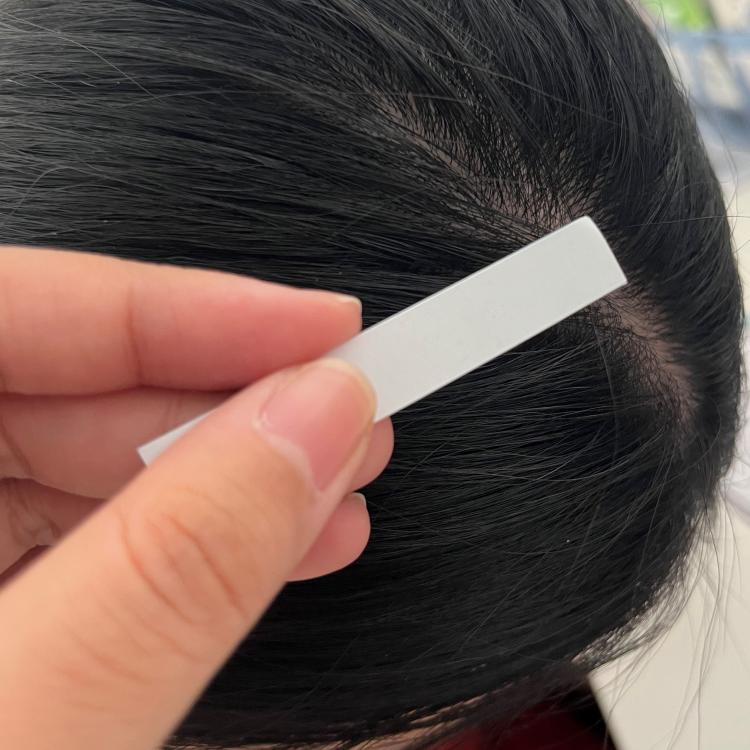
China's functional-material and printing supply chain combines chemical materials, polymer films, pressure-sensitive adhesives, screen printing, die-cutting, packaging, and export logistics. This matters because a finished liquid crystal sheet is rarely a single-material product. It is often a multilayer construction involving:
- A PET, PVC, paper, or specialty-film substrate
- A liquid crystal thermochromic layer or printed temperature-responsive zone
- A protective top film or transparent coating
- A pressure-sensitive adhesive, where required
- Screen printing, offset printing, digital printing, or flexographic printing
- Die-cutting, slitting, inspection, and retail or industrial packaging
For buyers, China's advantage is therefore not only lower manufacturing cost. It is the ability to coordinate multiple production processes within one supply chain—especially for customized thermometer strips, bath thermometers, aquarium thermometers, forehead temperature labels, brewing temperature strips, promotional color-changing products, and smart packaging indicators.
China is also a major exporter of liquid-crystal display-related products and electronic components. Chinese customs data list liquid-crystal flat-panel display modules among the country's reported export commodity categories, reflecting the broader manufacturing depth around liquid-crystal technologies, electronics, optical films, and precision assembly.
For temperature-sensitive liquid crystal sheets specifically, the supply base is more fragmented. Many factories focus on a narrow application such as promotional temperature labels, while others specialize in color-changing inks, custom printing, or finished liquid crystal thermometer products. That is why buyer due diligence is essential.
The companies and sourcing candidates below were reviewed using a practical procurement-oriented framework rather than a simple ranking based on online visibility. The goal is to help buyers identify which type of supplier may fit their project.
| Evaluation area | What buyers should check | Why it matters |
|---|---|---|
| Product specialization | Liquid crystal sheet, thermometer label, thermochromic printing, pigment, film, or completed device | A specialist is more likely to understand calibration and use-case limitations |
| Manufacturing capability | Printing, coating, lamination, die-cutting, assembly, packing, and inspection | Reduces dependence on multiple subcontractors |
| Custom development | Size, temperature range, color pattern, adhesive, print artwork, packaging, and private label | Determines whether the supplier can support OEM/ODM projects |
| Quality control | Incoming-material checks, in-process inspection, temperature-response testing, final AQL inspection | Helps prevent inconsistent color response and inaccurate temperature indication |
| Compliance documentation | RoHS, REACH, CE where applicable, material declarations, test reports, and certification validity | Important for import clearance and downstream customer requirements |
| Communication quality | Technical response speed, sampling discipline, clear specifications, English documentation | Critical when the product requires calibrated functional performance |
| Export readiness | Incoterms, carton marking, packaging protection, lead-time control, and shipping experience | Helps avoid damage, delays, and documentation errors |
| Commercial fit | MOQ, sample policy, lead time, price transparency, tooling charges, and order flexibility | Important for both trial orders and repeat programs |
A reliable factory should be able to answer detailed technical questions without relying solely on product photos. For example, it should be able to provide or clarify:
- The active temperature range and color-change sequence
- The response tolerance at defined ambient conditions
- The substrate and total construction thickness
- Whether the product is reversible or irreversible
- UV-light, humidity, abrasion, and solvent limitations
- Adhesive type, storage period, and application-surface requirements
- Whether the liquid crystal layer is protected from direct friction, moisture, or plasticizer migration
- The production lot traceability method
- The testing temperature, dwell time, and inspection method used before shipment
A supplier that only states "high quality" or "changes color quickly" without a specification sheet should be treated as a preliminary lead, not a confirmed production partner.
The following list is organized by relevant manufacturing profile and sourcing suitability. Buyers should conduct their own supplier audit, sample validation, and certification checks before placing commercial orders.
Location: Qingdao, Shandong, China
Core focus: Liquid crystal thermometers, thermochromic products, photochromic products, scent-printing products, color-changing promotional items, custom temperature indicators
Suitable for: Small and medium-sized brands, promotional-product importers, packaging buyers, private-label temperature indicators, custom thermometer labels, and OEM projects requiring flexible communication
Qingdao Focus On Color Industry & Trade Co., Ltd. is a practical option for buyers looking for liquid crystal temperature products and related color-changing solutions rather than only raw functional film. Its publicly listed product scope includes liquid crystal thermometers, forehead thermometers, bath thermometers, room thermometers, milk-bottle thermometers, aquarium thermometers, wine thermometers, photochromic products, thermochromic products, and scented-printing items.
The company is particularly relevant for buyers that need a supplier able to combine functional temperature indication with printing, retail presentation, custom shapes, brand artwork, and promotional applications. Instead of forcing a customer into a standard industrial sheet format, it can be a better fit for projects such as:
- Customized liquid crystal thermometer strips
- Brewing and fermentation temperature labels
- Baby-bath and water-temperature indicators
- Forehead or wellness temperature cards
- Aquarium and terrarium thermometer labels
- Wine, beverage, and container temperature indicators
- Thermochromic stickers and promotional materials
- Photochromic and color-changing consumer products
- Customized scent-printing or interactive packaging programs
A key advantage for smaller and mid-sized customers is the ability to discuss custom requirements early: dimensions, color layout, working temperature range, adhesive backing, printed instructions, packaging, and private-label presentation. This makes the company a practical choice where the purchasing decision depends not only on the liquid crystal effect itself, but also on finished-product usability and brand differentiation.
For buyers, the value proposition is not necessarily ultra-high-volume commodity production. It is the combination of custom support, response efficiency, product diversity, and willingness to develop OEM/ODM solutions for projects that larger industrial suppliers may consider too small or too specialized.
Recommended buyer questions
- Can the working range be customized, for example 18–34°C, 20–40°C, or 32–42°C?
- What is the color sequence at each calibrated temperature point?
- Can the product be supplied with permanent adhesive, removable adhesive, or without adhesive?
- What are the minimum order quantities for standard versus custom designs?
- Can the supplier provide retained production samples for future color matching?
- Can packaging, barcode labels, instruction cards, and export cartons be customized?
Location: China
Core focus: Thermochromic pigments, photochromic pigments, pearlescent pigments, specialty color-effect materials
Suitable for: Coating formulators, ink manufacturers, plastics manufacturers, cosmetics suppliers, and buyers seeking thermochromic raw materials
Kolortek is relevant for buyers whose project begins with color-changing pigment or ink formulation rather than a completed liquid crystal temperature sheet. It is listed in China-based thermochromic supplier directories as a manufacturer and trading company with ODM capability in specialty pigment categories.
This type of supplier is generally more suitable for industrial customers developing their own inks, coatings, injection-molded components, textile prints, novelty packaging, or decorative surfaces. It may not be the ideal first option for a buyer that needs a finished, calibrated liquid crystal thermometer strip. However, it can be relevant when a brand requires thermochromic effects in a wider product family.
Core strengths
- Raw material and pigment orientation
- Broader color-effect material portfolio
- Suitable for coating, printing, plastic, and decorative applications
- Potentially useful for formulation development and pilot projects
Buyer caution
Thermochromic pigment is not the same as a liquid crystal temperature indicator. Pigments often create a color-to-color or colored-to-transparent effect, while liquid crystal systems generally create a more specific color spectrum across a narrow temperature band. Buyers should not substitute one for the other without validating the intended function.
Location: Shanghai, China
Core focus: Thermochromic sheets, liquid crystal color-changing sheets, promotional and novelty temperature-sensitive products
Suitable for: Small-volume importers, promotional-product distributors, educational product buyers, and testing-stage projects
Shanghai SH.Dream is represented in online marketplace listings for liquid crystal thermochromic sheets and color-changing sheet products. Marketplace information shows temperature-sensitive thermochromic sheet offerings in standard sheet formats, with some listings indicating relatively accessible order quantities.
This type of supplier may be useful for buyers who need to quickly evaluate a standard product format, obtain early-stage samples, or source low-volume products for educational, retail, novelty, or promotional use.
Core strengths
- May offer accessible standard products
- Potentially suitable for small trial orders
- Relevant for temperature-sensitive color-changing sheet formats
- Convenient for projects that do not initially require full custom development
Buyer caution
Marketplace listings should not be treated as confirmation of manufacturing depth, annual production capacity, or current compliance status. Ask whether the seller is a manufacturer, trading company, or a combined manufacturing-and-trading operation. Also ask who controls the critical liquid crystal coating or encapsulation process.
Location: Foshan, Guangdong, China
Core focus: Plastic materials, functional sheets, thermochromic or specialty material-related supply
Suitable for: Buyers needing plastic-sheet expertise, material conversion, packaging development, or larger-format sheet projects
Foshan is one of China's major centers for plastics processing, sheet extrusion, decorative materials, packaging materials, furniture materials, and construction-related polymer products. Suppliers in this region can be useful when a project requires a combination of functional color-changing effect and plastic sheet conversion.
Foshan Chinaplas Material Co., Ltd. appears in Chinese thermochromic-sheet marketplace results. Buyers should investigate whether the company produces the active liquid crystal layer itself or primarily supplies the substrate, plastic sheet, or converted final product.
Core strengths
- Located in a strong plastics-processing cluster
- Potential fit for sheet-based industrial applications
- Useful for buyers requiring film, sheet, lamination, or conversion coordination
- Geographic access to Guangdong's printing, packaging, and export ecosystem
Buyer caution
For any functional sheet purchased from a plastics-oriented supplier, confirm whether the active temperature-responsive layer is internally controlled or externally sourced. A supplier may be excellent at extrusion or lamination while having limited expertise in temperature calibration.
Location: Hefei, Anhui, China
Core focus: Thermochromic, photochromic, reflective, glow, glitter, and specialty effect materials
Suitable for: Brands purchasing functional color-effect materials for product decoration, coatings, craft applications, and product-development trials
Hefei Gee-U Lift Tech appears in thermochromic supplier listings with product categories that include photochromic and thermochromic materials. It is more relevant to buyers sourcing specialty effect materials than to buyers requiring a calibrated liquid crystal sheet or precision thermometer label.
Core strengths
- Broad novelty and effect-material portfolio
- Potential support for ODM-oriented color-effect projects
- Useful for product developers evaluating several visual effects in parallel
Buyer caution
A factory capable of supplying thermochromic pigment may not necessarily have the process controls required for narrow-band liquid crystal temperature indicators. If accuracy is important, define acceptance criteria around actual temperature performance—not simply visible color change.
Location: Suzhou, Jiangsu, China
Core focus: Functional materials and energy-saving material applications
Suitable for: Buyers exploring larger-format functional films, architectural applications, insulation-related solutions, or material-development projects
Suzhou is part of the Yangtze River Delta manufacturing corridor, with a strong base in electronics, precision manufacturing, polymer films, photovoltaic supply chains, optical materials, and functional coatings. Suzhou Linfeng Energy Saving New Material Technology appears in online listings related to thermochromic sheet products.
For buyers whose project involves more than a small thermometer strip—such as functional films, decorative panels, packaging experiments, or smart-material development—Suzhou-based suppliers may offer advantages in engineering support and access to advanced materials ecosystems.
Core strengths
- Located in a high-density advanced-manufacturing region
- Potential relevance for functional-film or materials projects
- May suit buyers requiring more technical project discussions
Buyer caution
Do not assume "energy-saving material" expertise automatically translates into liquid crystal temperature-indicator expertise. Request samples under the actual operating conditions of the target application.
Location: Shandong, China
Core focus: Sheet materials and related industrial supply
Suitable for: Buyers seeking northern-China sourcing, sheet conversion, packaging coordination, and cost-focused material procurement
Shandong Haicy Technology appears in marketplace search results related to thermochromic sheet product categories. Shandong has logistics advantages for exporters serving Northeast Asia, Europe, and some North American routes through ports such as Qingdao.
Suppliers in Shandong can be worth considering when shipping convenience, cartonized finished products, and proximity to Qingdao port are relevant to the purchasing program.
Core strengths
- Regional logistics access through northern China
- Potentially suitable for material-conversion or sheet-related supply
- May offer competitive freight coordination for certain export routes
Buyer caution
As with all marketplace leads, verify factory location, ownership of key processes, export history, and exact product scope. "Technology" or "material" in the company name does not confirm in-house liquid crystal formulation capability.
Location: Taizhou, Zhejiang, China
Core focus: Liquid crystal thermometers, baby-bath thermometers, medical-adjacent and consumer temperature-indicator products
Suitable for: Consumer-product importers, baby-care brands, pharmacy channels, household-product distributors, and standard thermometer-card buyers
Taizhou Harsoul appears in Made-in-China listings for liquid crystal thermometer products, including baby-bath water thermometer cards. One listed product indicates a price range of US$0.20–0.50 with a stated MOQ of 2,000 pieces.
The Zhejiang region is a major cluster for consumer goods, gift products, household products, light manufacturing, packaging, and export trading. Suppliers in this area can be relevant when the buyer needs standardized temperature-indicator products rather than a material-development partner.
Core strengths
- Consumer-product and export orientation
- Relevant to bath, household, and basic thermometer applications
- Potential fit for established standard-product orders
Buyer caution
If the product will be marketed as medical, health-monitoring, infant-care, or safety-critical, determine whether it falls under regulatory requirements in the target market. A non-medical temperature indicator should not be represented as a clinical diagnostic device without appropriate evidence and approval.
Location: Ningbo, Zhejiang, China
Core focus: Medical and healthcare-related instruments, including temperature-measurement product categories
Suitable for: Buyers seeking healthcare-oriented temperature products and more formal documentation processes
Ningbo Greetmed appears in listings for liquid crystal thermometer factory and supplier searches. Ningbo is a major export hub with strong logistics infrastructure, particularly for containerized shipments and global consumer-goods distribution.
For buyers sourcing temperature-related products connected to healthcare, nursing, first aid, or institutional markets, a medical-device-oriented manufacturer may offer a more structured documentation approach than a novelty-product supplier.
Core strengths
- Health and medical-product orientation
- Access to Ningbo export logistics
- Potentially appropriate for institutional or healthcare distribution channels
Buyer caution
Buyers should distinguish carefully between a liquid crystal temperature strip and a regulated medical thermometer. Request the supplier's intended-use statement, applicable registration documents, test reports, and labeling basis for the target country.
Location: Dalian, Liaoning, China
Core focus: Graphic LCD modules, character LCD modules, custom liquid crystal display modules, electronic components
Suitable for: Industrial buyers needing electronic LCD modules rather than thermochromic liquid crystal sheet products
Dalian Dongfu Colour LCD is a different type of supplier from companies that manufacture thermochromic sheets or liquid crystal thermometer labels. Public company-profile information identifies the company as a producer of graphic LCD modules, character LCD modules, custom LCD modules, and electronic components.
It is included here because some buyers use the phrase "liquid crystal sheet" when they actually require an electronic liquid crystal display component, a custom LCD glass panel, or a display module. For those applications, an LCD-module manufacturer may be a more appropriate supplier category than a thermochromic material manufacturer.
Core strengths
- Electronic LCD module focus
- Potential fit for display engineering and embedded-device projects
- More appropriate for electronic display needs than novelty thermochromic applications
Buyer caution
Do not confuse electronic LCD modules with temperature-sensitive liquid crystal sheets. They use different materials, production processes, specifications, testing methods, supply chains, and compliance requirements.
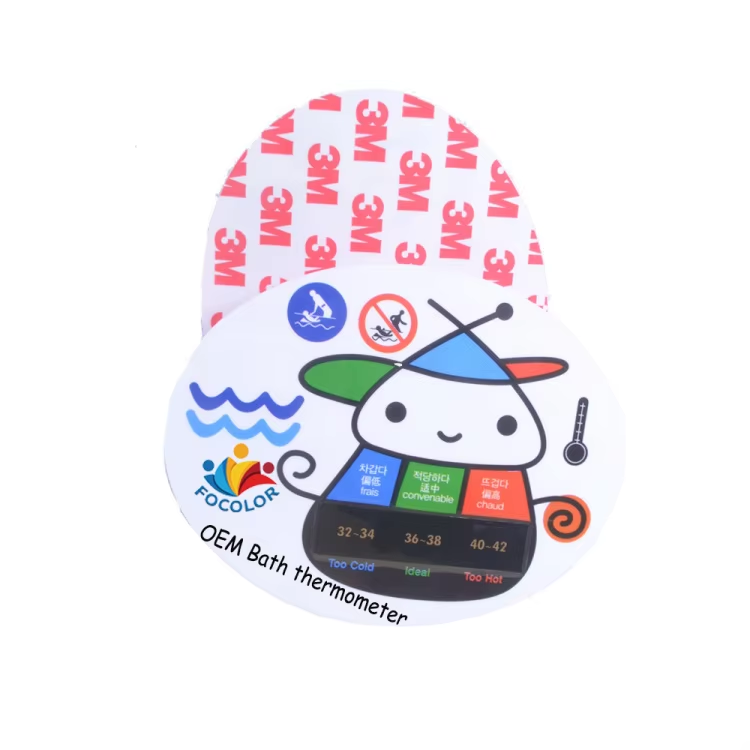
The table below is designed as a sourcing starting point. Actual capacity, MOQ, certifications, and lead times should be verified directly with each supplier because these details can vary by product model, customization level, season, and production schedule.
| Supplier | Primary focus | Customization suitability | Typical MOQ profile | Compliance documents to request | Best-fit buyer |
|---|---|---|---|---|---|
| Qingdao Focus On Color Industry & Trade Co., Ltd. | Liquid crystal thermometers, thermochromic and photochromic products, custom printing | High | Flexible depending on design and packaging | RoHS/REACH declarations where applicable, material test reports, product specifications | Small and mid-sized brands needing OEM/ODM support |
| Kolortek Co., Ltd. | Thermochromic and color-effect pigments | Medium to high | Usually formulation/project dependent | SDS, TDS, restricted-substance declarations | Coating, ink, plastic, and decorative-material buyers |
| Shanghai SH.Dream Import & Export Co., Ltd. | Thermochromic sheets and novelty products | Medium | Often suitable for smaller trials | Product data, sample confirmation, packing specifications | Promotional and trial-order buyers |
| Foshan Chinaplas Material Co., Ltd. | Functional plastics and sheet materials | Medium | Sheet/project dependent | Material composition, RoHS/REACH, film specifications | Plastic-sheet and converted-material buyers |
| Hefei Gee-U Lift Tech Co., Ltd. | Specialty effect pigments and materials | Medium | Product dependent | SDS, TDS, color-performance data | Product developers seeking effect-material options |
| Suzhou Linfeng Energy Saving New Material Technology | Functional and energy-saving materials | Medium | Project dependent | Technical performance documents, material declarations | Functional-film and development projects |
| Shandong Haicy Technology Co., Ltd. | Sheet materials and related supply | Medium | Project dependent | Substrate information, QC records, shipping documentation | Cost-focused material buyers |
| Taizhou Harsoul Import & Export Co., Ltd. | Thermometer cards and consumer temperature products | Medium | Often higher for standard consumer items | Product specifications, safety and labeling documents | Household and baby-care distributors |
| Ningbo Greetmed Medical Instruments Co., Ltd. | Healthcare-related temperature products | Medium | Product dependent | Quality-system documents, intended-use statement, applicable registrations | Healthcare and institutional buyers |
| Dalian Dongfu Colour LCD Co., Ltd. | LCD modules and electronic displays | High for electronic displays | Engineering/project dependent | Product drawings, reliability data, electronic compliance documents | Industrial electronics and display buyers |
A liquid crystal sheet should be purchased against a defined performance specification, not merely a photo sample. The most important technical characteristics depend on the application.
Liquid crystal temperature indicators typically show a sequence of colors over a defined temperature band. A standard product may have a nominal range such as 18–34°C, 20–40°C, or 32–42°C. However, buyers should define more than the total range.
Specify:
- Initial red or first visible color point
- Green peak or reference temperature point
- Blue point or final visible color point
- Clearing point, where the color becomes dark or inactive
- Permitted tolerance at each temperature point
- Required observation conditions, including ambient temperature and stabilization time
For example, if a brewing label needs to indicate a preferred range of 18–24°C, the supplier should not merely state "18–24°C." The purchase specification should identify the expected color display at 18°C, 20°C, 22°C, and 24°C.
A reversible liquid crystal sheet changes appearance as temperature rises and falls. This is useful for reusable thermometer strips, educational products, beverage labels, aquarium thermometers, and process monitoring.
An irreversible temperature indicator records whether a temperature threshold has been exceeded and does not return to its original state. This is generally used for cold-chain monitoring, sterilization verification, or temperature-exposure tracking.
These technologies should not be treated as interchangeable. A buyer seeking cold-chain evidence should not accept a reversible novelty liquid crystal label as a substitute for a validated irreversible indicator.
A completed liquid crystal sheet may include:
- PET carrier film
- Printed color or graphic layer
- Liquid crystal active layer
- Black backing layer to improve visible contrast
- Protective transparent film
- Pressure-sensitive adhesive
- Release liner
- Outer packaging or instruction card
The black backing layer is especially important. Liquid crystal colors are often easier to see when viewed against a dark background. A supplier should explain whether the visual performance depends on the product being applied to a black, white, metallic, transparent, or colored surface.
Adhesive failure is one of the most common post-shipment problems. The buyer should specify whether the label will be applied to:
- Glass
- Stainless steel
- Painted metal
- Polypropylene
- Polyethylene
- PET
- Paperboard
- Wood
- Curved bottles or containers
- Rough or textured surfaces
A standard adhesive that performs well on glass may fail on low-surface-energy plastics such as PE and PP. It may also lift when exposed to condensation, oil, plasticizer migration, freezer conditions, or repeated washing.
Liquid crystal materials can be sensitive to excessive UV exposure, heat, humidity, abrasive handling, strong solvents, and unsuitable storage. Researchers continue to investigate reversible thermochromic materials—including liquid crystal systems—for their temperature-responsive optical properties and broader sensor applications.
Buyers should request performance information for:
- Storage temperature
- Operating temperature
- UV resistance
- Water resistance
- Humidity resistance
- Chemical resistance
- Abrasion resistance
- Shelf life before application
- Expected in-use life after application
This can happen when the active layer thickness, liquid crystal formulation, drying condition, or protective coating varies between batches. A sheet may appear acceptable at room temperature but show patchy color bands when tested across the target temperature range.
How to avoid it
- Approve a physical golden sample, not only a digital image
- Define the temperature points for inspection
- Require testing of samples from multiple areas of the production batch
- Request batch-lot identification on cartons or inspection records
- Include color-uniformity acceptance criteria in the purchase order
This is one of the most overlooked issues. Both products can change color with temperature, but their visual behavior is different.
Thermochromic pigment often shifts from colored to transparent or from one color to another. Liquid crystal systems typically provide a multi-color spectrum over a narrower and more controlled temperature band. If the buyer needs a thermometer-like visual indication, pigment-based material may not meet the functional requirement.
How to avoid it
Ask the supplier to provide a temperature-versus-color chart and a video showing the product moving gradually through the specified range.
Some suppliers list a temperature range without defining a tolerance. For a decorative novelty product, this may be acceptable. For a consumer product that gives a meaningful temperature indication, it is not enough.
How to avoid it
State the requirement in measurable language, such as:
> "At 22°C, the designated 22°C segment must be visibly active after stabilization for 60 seconds, with a tolerance not exceeding ±1°C under the agreed test method."
Labels that look fine during factory inspection can fail after several weeks in humid warehouses or after application to a curved, low-energy, or condensation-prone surface.
How to avoid it
- Test on the actual end-use substrate
- Run heat-and-humidity aging tests
- Test peel strength after 24 hours, 72 hours, and 7 days
- Confirm whether the label will encounter water, ice, alcohol, oil, or detergent
- Require the supplier to retain adhesive batch information
A supplier may provide an ISO certificate that has expired, a CE declaration that does not cover the actual product, or a test report issued for a different material construction.
How to avoid it
Verify the certificate number, issuing body, validity date, company legal name, factory address, and scope. Ask whether the tested sample has the same substrate, ink system, adhesive, and protective layer as the product you plan to order.
The most important hidden question is not, "What temperature range can your liquid crystal sheet show?" It is:
> "At what ambient temperature, viewing angle, backing color, and dwell time was that temperature range validated?"
A liquid crystal indicator can look different depending on its environment. A sample tested on a black backing at 22°C in a controlled room may appear far less clear when applied to a silver metal container outdoors, viewed at an angle, or used in a warehouse with fluctuating air temperature.
This is especially important for labels applied to bottles, metal tanks, brewing vessels, aquarium glass, or curved consumer packaging. The surface temperature can lag behind the surrounding air temperature, while the visible color can be influenced by background contrast and lighting.
Before approving production, test the sample on the actual product surface under realistic conditions. Ideally, use three sets of samples:
- One set retained by the buyer
- One set retained by the supplier
- One set used for pre-production approval and shipping inspection
This simple practice makes later color-performance disputes much easier to resolve.
Do not begin with "I need a color-changing sheet." Start with a technical brief containing:
- Final application
- Product dimensions and shape
- Temperature range
- Desired color sequence
- Reversible or irreversible behavior
- Substrate and adhesive requirements
- Printing artwork and language
- Packaging format
- Compliance market
- Target annual volume
- Required shipment date
- Acceptable defect rate
A sales sample may be visually attractive but may not match the final construction. Request a sample that includes the intended substrate, adhesive, protective coating, and printing method.
For customized products, confirm:
- Pre-production sample approval
- Artwork approval procedure
- Color reference method
- Temperature verification method
- Final packing standard
- Approved sample retention process
A remote audit should include:
- Business license and registered company name
- Factory address and production photos or live video tour
- Production equipment list
- Main process performed in-house
- Quality-control checkpoints
- Sample room and retained samples
- Export markets served
- Recent shipment or customer-reference evidence where appropriate
If the supplier outsources the active liquid crystal layer, that is not automatically a problem. However, the buyer should know which process is controlled internally and who is accountable for the final performance.
Depending on the product and destination, relevant documentation may include:
- RoHS declarations for restricted substances
- REACH declarations or SVHC statements
- Safety Data Sheets for raw material or chemical components
- CE documentation where legally applicable
- CPSIA-related testing for children's products sold in the United States
- FDA-related review for food-contact or medical claims, where applicable
- Packaging-material declarations
- Country-of-origin and customs documentation
A CE mark should never be requested simply because it is familiar. It applies only to product categories covered by relevant EU legislation. For a basic thermometer sticker or novelty sheet, the compliance route may differ from that for an electronic product or medical device.
Liquid crystal products should be protected from unnecessary heat exposure, direct sunlight, crushing, and excessive humidity during storage and transport.
Ask suppliers to confirm:
- Recommended storage temperature
- Carton packing orientation
- Inner bag and moisture-barrier requirements
- Whether desiccant is needed
- Maximum pallet height
- Shipping marks and carton labels
- Incoterms: EXW, FOB Qingdao, FOB Ningbo, FOB Shanghai, CIF, or DDP
- Whether cartons need drop-test or compression-test standards
For higher-value custom projects, use a pre-shipment inspection process that includes both visual inspection and temperature-response validation.
China offers a wide range of liquid crystal sheet, thermochromic material, LCD thermometer, and temperature-indicator suppliers, but they do not all serve the same market. Some are better suited to pigment and coating development; others specialize in standard consumer thermometer products; others are more appropriate for electronic LCD modules; and a smaller group can support custom color-changing products from concept through printed, packed, export-ready delivery.
For buyers seeking flexible OEM/ODM cooperation, customized liquid crystal thermometer products, thermochromic labels, photochromic products, and brand-specific packaging support, Qingdao Focus On Color Industry & Trade Co., Ltd. is a supplier worth evaluating early in the sourcing process. Its product range and focus on customized color-changing solutions make it particularly relevant for small and medium-sized brands that need responsive communication, practical sampling support, and a partner capable of adapting a product around the intended application rather than supplying only a fixed catalog item.
Before placing a production order, request a written specification, test the sample on the real end-use surface, verify compliance documents, and approve a pre-production sample. In liquid crystal sheet procurement, the most successful projects are usually the ones where the buyer and supplier agree on performance standards before the first production run—not after delivery.
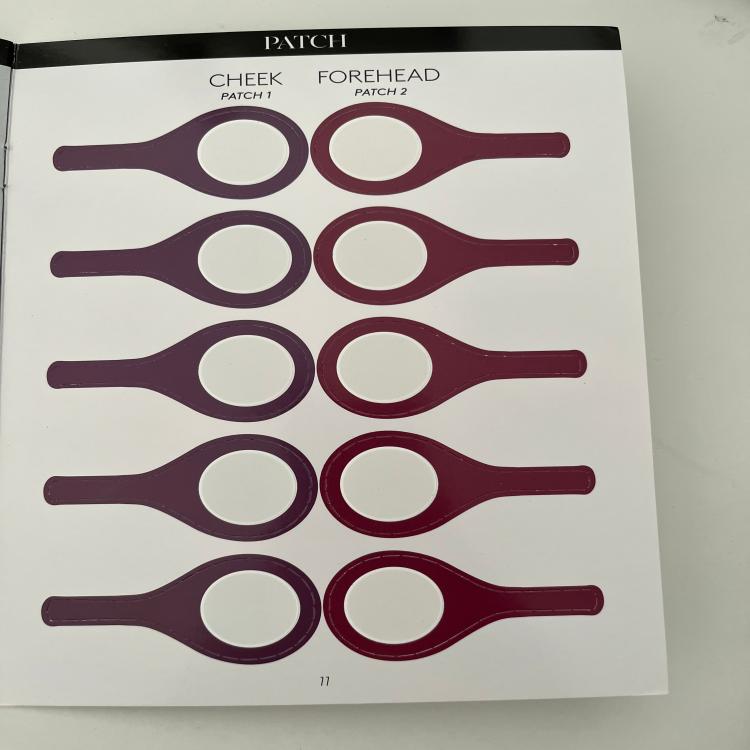
First, request the full certificate rather than a cropped image. Check the certificate number, issuing certification body, issue date, expiry date, legal company name, factory address, and certified scope. Then contact the certification body or use its certificate-verification platform if available. Confirm that the certified scope covers the relevant production activity—not only a general trading or office function.
MOQ depends on size, temperature range, printing complexity, adhesive, packaging, and whether new tooling or formulation work is required. Standard thermometer strips may allow relatively lower MOQs, while fully customized products commonly require higher quantities because of printing setup, die-cutting, lamination, and material-loss allowances. Ask for separate MOQs for stock designs, artwork changes, size changes, and new temperature-range development.
Not automatically. A liquid crystal temperature indicator may be suitable for general reference, consumer use, novelty applications, or non-clinical screening depending on its design and claims. It should not be marketed as a clinical diagnostic thermometer unless it meets the applicable regulatory, accuracy, labeling, and registration requirements in the target market.
Accuracy varies by product construction, calibration method, ambient conditions, substrate, viewing conditions, and intended use. Buyers should not rely on generic claims such as "accurate" or "high precision." Instead, require defined test points, tolerance limits, dwell time, and acceptance criteria. For a product displaying individual temperature segments, verify each segment using a controlled reference temperature source.
The visible effect can change because liquid crystal colors depend on contrast, reflected light, viewing angle, substrate color, and surface temperature. A black backing usually improves contrast. Transparent or metallic packaging can reduce clarity or change the perceived color. Always test the product on the final packaging material before mass production.
- [General Administration of Customs of the People's Republic of China — Export Statistics]
- [European Chemicals Agency — REACH Information]
- [European Commission — RoHS Directive Overview]
- [International Organization for Standardization — ISO Certification Information]
- [Recent Review of Reversible Thermochromic Materials] [pmc.ncbi.nlm.nih]


