+86 18560646018

Views: 269 Author: Focus Color Publish Time: 2026-09-18 Origin: Site


Content Menu
● The Short Answer: Who Invented Scratch and Sniff Stickers?
● How Scratch and Sniff Technology Became Popular
● The Invention Behind the Sticker: Microencapsulation
>> What Are Fragrance Microcapsules?
● How Modern Scratch and Sniff Stickers Are Made
>> Step 1: Define the Product Goal
>> Step 2: Select a Suitable Fragrance
>> Step 3: Apply the Scented Layer Carefully
>> Step 4: Protect the Scent During Packing and Shipping
● Why Scratch and Sniff Stickers Still Work for Brands
>> Practical Marketing Benefits
● Expert Guidance: How to Design a Better Scented Sticker Project
● Common Quality Issues and How to Avoid Them
● Choosing a Custom Scratch and Sniff Sticker Manufacturer
● From Retro Stickers to Modern Product Experiences
>> Who invented scratch and sniff stickers?
>> How do scratch and sniff stickers work?
>> Can scratch and sniff stickers be customized?
>> How long do scratch and sniff stickers retain their scent?
>> Are scratch and sniff stickers suitable for promotional packaging?
>> What information should I provide for a custom order?
>> Can a supplier produce both fragrance and color-changing products?
Scratch and sniff stickers were popularized in the late 1970s and early 1980s, but their story begins with earlier fragrance-printing research. The inventor most closely associated with the commercial scratch-and-sniff sticker concept is Gale Matson, whose work helped bring microencapsulated fragrance technology into consumer products, especially collectible stickers, books, labels, and promotional materials.
Today, scratch and sniff stickers remain far more than a nostalgic novelty. When developed with the right scent formulation, printing process, substrate, and quality controls, they can turn packaging, promotional cards, educational products, and branded merchandise into memorable multi-sensory experiences.
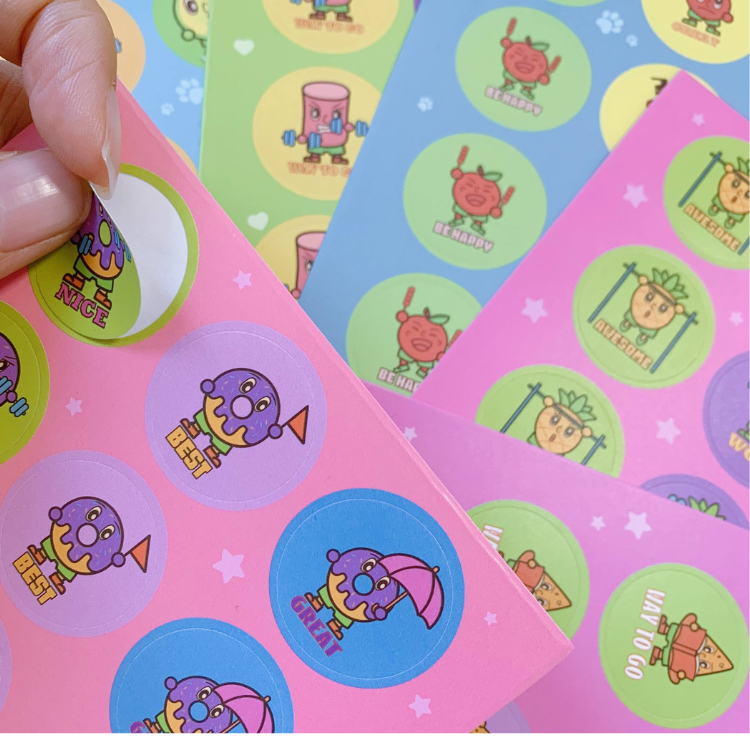
The scratch and sniff sticker was not created through one isolated invention by one company. Instead, it developed from advances in microencapsulation, a technology that encloses tiny amounts of fragrance inside microscopic protective capsules.
Gale Matson is widely credited with developing and commercializing practical scent-printing applications that contributed to scratch-and-sniff products. His work helped move fragrance from bottles, liquids, and perfumed paper toward printed surfaces that could release scent when rubbed or scratched.
The basic concept is simple:
1. A fragrance oil is enclosed in microscopic capsules.
2. Those capsules are mixed into an ink, coating, varnish, or adhesive system.
3. The scented material is applied to a sticker, card, label, package, or printed item.
4. A user scratches the surface.
5. The friction breaks some capsules and releases the fragrance.
This mechanism made scented stickers practical for mass-market use. It also helped brands add an interactive dimension to products without requiring a separate fragrance dispenser.
Scratch and sniff technology existed before the collectible sticker boom. Fragrance had been used in printed advertising, magazines, direct mail, product sampling, and novelty merchandise for decades. However, the technology became especially recognizable when it entered children's stationery, sticker collections, trading products, books, and promotional packaging.
During the late twentieth century, scented stickers became cultural icons because they combined three powerful qualities:
- Visual appeal through colorful illustrations and distinctive characters
- Tactile interaction because users physically scratched the printed area
- Scent memory because fragrance is closely connected to recognition and emotion
A strawberry sticker did more than show a red fruit. It gave users a sensory cue that made the design easier to remember. A popcorn, bubblegum, pizza, chocolate, orange, or grape scent could make a simple sticker feel like a collectible item.
This is why scratch and sniff stickers became popular in school supplies, children's products, magazines, toy packaging, and gift items. They transformed a flat printed surface into an experience.
The real technical breakthrough behind scratch and sniff stickers is fragrance microencapsulation. This process protects a fragrance inside tiny capsules until pressure, friction, heat, moisture, or another trigger causes the scent to release.
For scratch-and-sniff applications, friction is the trigger.
Microcapsules are extremely small particles with two main parts:
| Component | Function |
|---|---|
| Core material | Contains the fragrance oil or scent composition |
| Shell material | Protects the fragrance before release |
| Carrier system | Helps distribute the capsules in ink, coating, adhesive, or printing material |
| Printed surface | Holds the scented layer on a sticker, label, card, or package |
When consumers scratch the surface, the capsule shell breaks. The fragrance inside becomes detectable in the air.
The technology sounds straightforward, but successful production depends on many technical details. These include capsule size, fragrance concentration, shell strength, coating thickness, printing compatibility, substrate selection, drying conditions, and package sealing.
A product can look attractive but still fail if the fragrance fades too quickly, the scent is too weak, the coating cracks, or the capsules break during production and shipping.
Modern scratch and sniff sticker manufacturing involves more than placing a fragrance into ordinary ink. The formula must be designed for the final product, its intended user, the required scent intensity, storage conditions, and printing process.
Before selecting materials, manufacturers should understand how the sticker will be used.
Important questions include:
- Will the sticker be used for children's stationery, packaging, cosmetics, food promotion, or a retail giveaway?
- Should the fragrance smell natural, sweet, fresh, fruity, floral, woody, or seasonal?
- How long should the scent remain detectable?
- Will the product be stored in heat, humidity, sunlight, or long-distance shipping conditions?
- Is the sticker intended for one-time scent release or repeated scratching?
- What is the desired print quantity and artwork complexity?
A scratch-and-sniff campaign for a perfume sample requires different fragrance characteristics from a scented educational card or novelty sticker sheet.
A scent must match the product concept and the intended market. For example, a fruit beverage promotion may use lemon, orange, peach, strawberry, grape, or watermelon notes. A home-care product may use lavender, ocean breeze, fresh linen, eucalyptus, or citrus notes.
The scent should also remain recognizable after it is encapsulated, printed, dried, packed, transported, and stored.
At Qingdao Focus On Color Industry & Trade Co., Ltd., custom fragrance products can be developed around practical buyer requirements, including scent direction, printed design, product size, substrate, packaging, and private-label presentation. This is especially valuable for buyers seeking products that are consistent across repeated orders rather than generic stock designs.
The fragrance microcapsules can be incorporated into a printable coating, ink system, or surface layer. The application method depends on the design, order volume, surface material, and target effect.
Common product formats include:
- Scratch and sniff sticker sheets
- Scented labels
- Fragrance promotional cards
- Scented postcards and greeting cards
- Scented book inserts
- Product packaging labels
- Air freshener cards
- Custom retail promotional materials
The manufacturer must manage pressure, temperature, drying, and handling during production. Excessive mechanical force can damage capsules before the customer ever receives the product.
The scent remains stronger when finished products are packed properly. Packaging should reduce unnecessary exposure to air, excessive heat, direct sunlight, and physical pressure.
For international buyers, this step is especially important. Long sea freight routes, seasonal temperature changes, warehouse conditions, and container exposure can all affect the finished product.
A reliable supplier should therefore consider not only the scent during production but also the product's scent performance after transportation and storage.

In a market filled with visual advertising, a scented sticker offers a more active experience. Instead of simply seeing a logo or message, the user scratches, smells, reacts, and often shares the experience with others.
That interaction can make the product feel more personal.
Scratch and sniff stickers can support many kinds of commercial campaigns:
- Food and beverage promotions that highlight fruit, dessert, coffee, spice, or drink-inspired aromas
- Beauty and personal-care packaging that introduces a fragrance concept before purchase
- Children's educational products that combine words, images, and scents
- Seasonal retail campaigns for holidays, summer collections, bakery themes, or limited editions
- Direct-mail promotions that make a printed offer more engaging
- Stationery and gift products that increase collectability and repeat interest
- Automotive and home fragrance promotions that connect a product visually and aromatically
The strongest applications have a clear connection between the fragrance and the product message. A scent should not be added simply because it is unusual. It should reinforce the brand story.
For example, a tea company could use a scratch-and-sniff label with citrus, jasmine, mint, or peach notes to introduce a new flavor line. A children's learning product could pair familiar fruit scents with vocabulary cards. A bakery promotion could use vanilla, cinnamon, chocolate, or strawberry-inspired fragrance to create a stronger association with the product range.
From a manufacturing perspective, the most common mistake is requesting "a scented sticker" without defining the performance standard. Buyers should provide more than an artwork file.
A clear project brief improves sampling, production efficiency, and product consistency.
When requesting OEM, ODM, or customized scratch-and-sniff stickers, prepare the following information:
1. Product format
State whether you need a sticker, label, card, package insert, hanging tag, or another printed item.
2. Artwork and dimensions
Provide the design file, finished size, shape, colors, bleed area, and special finishing requirements.
3. Scent concept
Describe the fragrance direction clearly. For example: fresh strawberry, tropical mango, roasted coffee, baby powder, ocean breeze, or lavender.
4. Target market and user group
Explain whether the product is for children, retail consumers, premium packaging, promotional events, or industrial applications.
5. Expected scent strength
Clarify whether you want a light, moderate, or strong scent release after scratching.
6. Expected shelf life
Discuss storage conditions and the required fragrance performance period.
7. Packaging requirements
Specify individual bags, sealed packs, header cards, retail cartons, bulk packing, barcode labels, or private-label packaging.
8. Order quantity and delivery destination
These details help determine the most practical production method and packing plan.
A manufacturer with experience in color-changing and fragrance-related products can help buyers evaluate these choices early, before they invest in a full production run.
Not every scented sticker performs the same way. Differences in materials and process control can significantly affect user experience.
| Quality issue | Possible cause | Better approach |
|---|---|---|
| Weak scent | Low fragrance loading or poor capsule quality | Confirm scent intensity during sampling |
| Scent disappears too early | Inadequate sealing or unsuitable storage | Use protective packaging and define shelf-life expectations |
| Uneven scratch response | Inconsistent coating distribution | Review coating method and sample multiple locations |
| Smudging or poor print appearance | Incompatible ink, coating, or substrate | Test materials before full production |
| Scent released before use | Excessive production pressure or rough handling | Control processing and transport conditions |
| Poor consumer acceptance | Fragrance does not match the design or market | Select scent profiles with the target audience in mind |
The sample stage is essential. Buyers should test not only appearance but also scratch response, fragrance quality, scent consistency, adhesion, durability, packaging, and performance after storage.
The right manufacturing partner should do more than accept an artwork file. A capable supplier should help turn a concept into a stable physical product.
When comparing suppliers, ask these questions:
- Can the supplier support custom fragrance, shape, size, printing, and packaging?
- Does the supplier understand the difference between fragrance products, color-changing products, labels, and conventional stickers?
- Can the supplier provide samples before mass production?
- Does the supplier have experience with international shipping and export packaging?
- Can the supplier communicate clearly about technical requirements and production tolerances?
- Is the supplier able to support repeat orders with consistent specifications?
- Can the project be developed as an OEM, ODM, or fully customized product?
Qingdao Focus On Color Industry & Trade Co., Ltd. has more than 13 years of manufacturing experience in photochromic products, thermochromic products, liquid crystal thermometers, fragrance products, color-changing stickers, and related customized items. The company supports OEM, ODM, and personalized product development for global customers seeking practical, stable, and commercially ready solutions.
Scratch and sniff stickers began as a playful consumer product, but the underlying technology has much broader value. The same idea—releasing a sensory effect through physical interaction—can be used in product packaging, promotional design, educational materials, retail displays, and branded gifts.
The most successful projects combine four elements:
- A fragrance that fits the product message
- A design that invites interaction
- A production method that protects scent performance
- Packaging that preserves product quality through delivery
Whether your goal is a nostalgic collectible sticker, a premium fragrance label, a promotional scent card, or a custom air-freshener product, the key is thoughtful development from concept through shipping.
Ready to create custom scratch and sniff stickers or fragrance products for your market? Share your artwork, size, fragrance idea, target quantity, and packaging needs with Qingdao Focus On Color Industry & Trade Co., Ltd. to discuss an OEM, ODM, or personalized manufacturing solution.
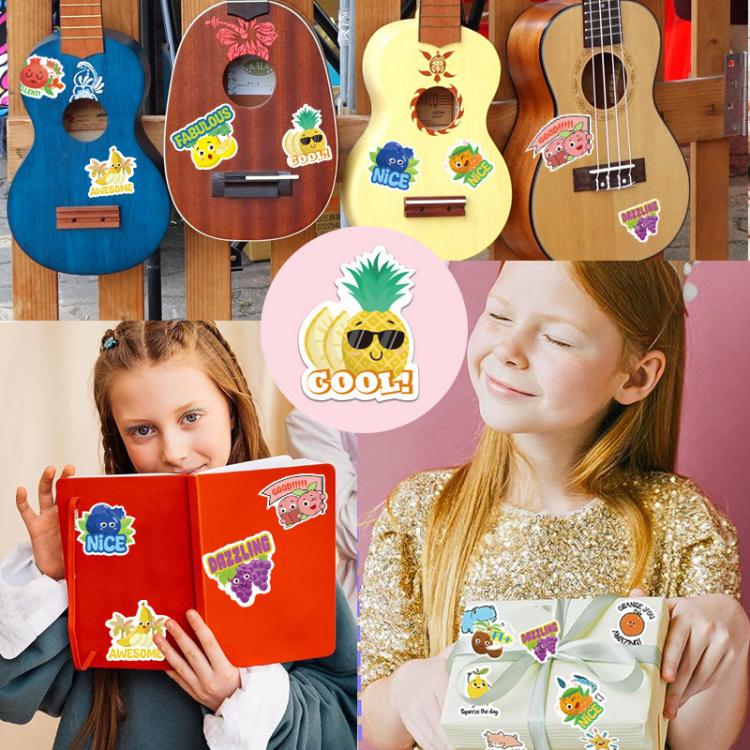
Scratch and sniff stickers developed from fragrance microencapsulation technology. Gale Matson is commonly associated with the development and commercialization of scent-printing applications that helped make scratch-and-sniff consumer products possible.
They contain tiny fragrance capsules in a printed coating or surface layer. When the user scratches the surface, some capsules break and release the fragrance.
Yes. Custom options can include artwork, shape, size, fragrance type, scent intensity, materials, packaging, private-label branding, and order quantity.
Performance varies based on the fragrance formulation, capsule quality, coating process, packaging, storage conditions, and how often the sticker is scratched. Properly sealed packaging helps preserve fragrance before use.
Yes. They can be used on product labels, promotional cards, retail displays, direct-mail pieces, beauty packaging, food-themed campaigns, stationery, and gift products.
Provide the product format, artwork, dimensions, fragrance concept, target market, required quantity, packaging needs, delivery destination, and any preferred performance requirements.
Yes. Manufacturers experienced in specialty functional products can often support fragrance printing alongside photochromic, thermochromic, and liquid crystal thermometer products, depending on the project requirements.
1. [Qingdao Focus On Color Industry & Trade Co., Ltd. — Company Profile]
2. [Qingdao Focus On Color Industry & Trade Co., Ltd. — Manufacturer Overview]
3. [Qingdao Focus On Color Industry & Trade Co., Ltd. — Product Overview]
4. [Encyclopaedia Britannica — Microencapsulation]
5. [Science History Institute — Microencapsulation and Chemical Innovation]
6. [U.S. National Library of Medicine — PubMed Research Database]


