+86 18560646018

Views: 277 Author: Focus Color Publish Time: 2026-08-23 Origin: Site


Content Menu
● The Science Behind Scratch and Sniff Stickers
● What Happens When You Scratch the Sticker?
● Why Scratch and Sniff Stickers Can Last So Long
>> Factors That Affect Scent Longevity
● How Scratch and Sniff Stickers Are Made
>> 1. Confirm the Product Goal
>> 2. Develop or Select the Fragrance
>> 3. Encapsulate the Fragrance
>> 4. Prepare the Printable Scent Coating
>> 6. Test Before Mass Production
● Common Scratch and Sniff Sticker Applications
● Choosing the Right Scratch and Sniff Sticker Design
>> Make the Activation Area Obvious
>> Match Scent to Visual Messaging
● Safety and Compliance Considerations
● Expert Checklist for Custom Orders
● Create a More Memorable Scent Experience
● FAQ
>> 1. What makes scratch and sniff stickers smell?
>> 2. Do scratch and sniff stickers lose their scent over time?
>> 3. Can I create a custom scent for my sticker project?
>> 4. What materials can be used for scented stickers?
>> 5. Where should the scratch area be placed?
>> 6. Are scratch and sniff stickers suitable for children's products?
>> 7. Can scratch and sniff technology be used on packaging instead of stickers?
>> 8. How do I get a quotation for custom scratch and sniff stickers?
Scratch and sniff stickers work through fragrance microencapsulation: a scented oil is sealed inside countless microscopic capsules, then applied to a sticker or printed surface. When someone rubs or scratches the activated area, part of the capsule layer breaks and releases fragrance molecules into the air.
For brands, this simple interaction can turn packaging, promotional materials, children's products, stationery, and product samples into a more memorable sensory experience. The real performance, however, depends on much more than choosing a pleasant scent. Capsule design, coating formula, printing method, substrate, storage conditions, and quality control all affect how strongly a scratch and sniff sticker performs.
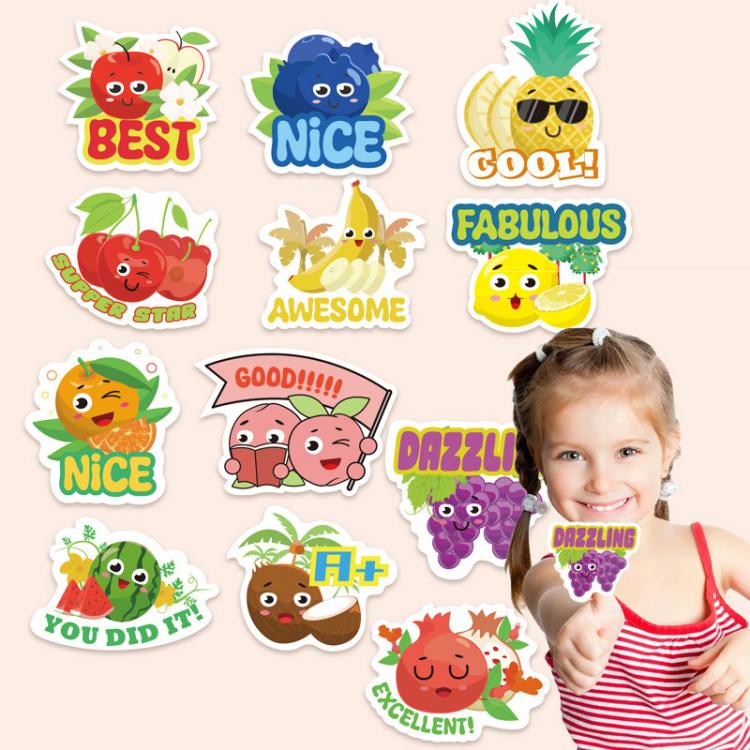
A scratch and sniff sticker is not usually scented in the same way as a candle, perfume bottle, or fragranced paper. If fragrance oil were simply added directly to ordinary ink or adhesive, much of the scent could evaporate during production, storage, transportation, or display.
Instead, manufacturers use microencapsulation technology.
In practical terms, microencapsulation places tiny droplets of fragrance inside protective shells. These shells may be made from suitable polymeric or gelatin-based wall materials, depending on the formula and intended application. The microcapsules are then dispersed into a printable coating, ink system, or special functional layer.
Think of every capsule as a microscopic sealed fragrance container:
| Component | Main role |
|---|---|
| Fragrance core | Provides the intended smell, such as strawberry, coffee, lavender, vanilla, or a custom scent |
| Capsule shell | Protects the fragrance before activation |
| Carrier coating or ink | Holds capsules on the printed surface |
| Substrate | The material beneath the coating, such as paper, film, card, label stock, or packaging board |
| Activation area | The designated spot that users scratch or rub to release the aroma |
When a user scratches the surface, friction and pressure rupture a portion of the microcapsules. The fragrance is released, evaporates into the surrounding air, and reaches the nose.
This controlled-release approach helps preserve fragrance until the moment of use. It also allows a printed item to carry scent without creating an overwhelming odor throughout a store, box, classroom, or mailing package. Microencapsulation was originally developed for carbonless copy-paper technology before being adapted for scent-release products and printed applications.
The activation process is fast, but several material interactions occur at once.
1. Pressure is applied
A finger, fingernail, coin edge, or similar object rubs against the scented area.
2. Some microcapsules rupture
The physical force breaks part of the protective capsule wall. Not every capsule breaks during one scratch.
3. Fragrance is released
The aromatic liquid or volatile fragrance components leave the broken capsules.
4. Scent molecules enter the air
The released fragrance begins to evaporate. A person nearby can then smell it.
5. The remaining capsules stay protected
Since only part of the coating is activated at a time, the sticker may release fragrance repeatedly until a large proportion of capsules have been broken or degraded.
This is why the best experience usually comes from a gentle scratch, not aggressive scraping. Excessive force can remove the coating, damage the print, or release too much fragrance at once.
A common question from buyers is: "How can a sticker still smell months or years after it was made?"
The answer is the capsule wall. It helps separate sensitive fragrance materials from direct exposure to oxygen, light, handling, and evaporation. The fragrance remains largely enclosed until physical activation breaks the shell.
However, shelf life is not determined by microcapsules alone. From a manufacturing perspective, long-lasting scent performance depends on the entire product system.
- Fragrance composition: Some notes naturally evaporate faster than others.
- Capsule quality: Consistent capsule size and wall strength improve activation reliability.
- Coating thickness: Too little coating may produce a weak scent; too much may affect print feel, cost, or scratch response.
- Substrate selection: Paper, coated card, plastic film, and packaging board can behave differently during printing and use.
- Protective packaging: Barriers against moisture, heat, light, and contamination can preserve product quality during shipping and storage.
- Storage environment: High temperatures and prolonged sunlight can reduce fragrance stability.
- User handling: Repeated rubbing gradually consumes the available active capsules.
For this reason, a reliable supplier should not promise that every fragrance will perform identically. A citrus scent, for example, may need a different fragrance balance and encapsulation approach than coffee, bubble gum, leather, ocean, or a complex luxury-perfume profile.
While production details differ by project, the manufacturing workflow generally follows a structured sequence.
The first step is not printing. It is defining what the scent needs to achieve.
A buyer may want to:
- Match a product flavor, such as grape, orange, chocolate, or mint
- Demonstrate a perfume, detergent, cosmetic, or household-product fragrance
- Create a collectible sticker for children or stationery users
- Add a sensory element to books, catalogs, games, and direct-mail campaigns
- Help customers recognize different product variants
- Build a branded scent association for retail packaging
The product goal influences fragrance strength, activation area, print design, substrate, packaging, and cost target.
The fragrance should be evaluated for the intended use—not only for whether it smells pleasant in a bottle.
A suitable scratch and sniff fragrance must also work well after encapsulation and printing. It should remain recognizable after storage and should release a clear scent when activated. Custom fragrance development may include matching a product concept, improving a supplied scent reference, or creating a new scent direction from a brief.
For example, a "strawberry" sticker for a children's activity product may need a bright, instantly recognizable fruit profile. A scented packaging insert for a premium skincare brand may require a softer, more refined and layered profile.
The fragrance is processed into microcapsules. In broad terms, the fragrance forms the core, while a protective shell is created around it. The goal is to balance protection and breakability.
If capsules are too fragile, scent may be released prematurely during converting, packing, or shipment. If they are too strong, users may need to scratch too hard and the product can feel unresponsive.
This balance is one of the most important technical variables in custom scented printing.
The microcapsules are incorporated into a compatible coating, ink, or carrier system. This layer needs to remain printable while keeping the capsules sufficiently intact.
The coating can be applied to a defined scratch zone or integrated into selected design elements. A fruit image may become the scented area; a perfume sample may use a separate scent patch; a game card may contain multiple fragrance-coded sections.
The scented coating is applied through an appropriate production process, then dried or cured under controlled conditions. Process settings matter because excessive heat, pressure, shear, or unsuitable finishing operations may damage capsules before the end user receives the product.
After printing, the material may be die-cut, laminated where appropriate, sheeted, rolled, packed, and prepared for shipment.
A thoughtful quality-control process should include more than checking the color and dimensions.
Useful checks include:
- Scratch activation strength
- Fragrance recognition and consistency
- Coating adhesion
- Print appearance
- Capsule damage during production
- Performance after simulated storage
- Adhesive performance for sticker products
- Packaging protection during transport
For OEM and ODM projects, pre-production samples are especially valuable. They allow the buyer to evaluate scent, artwork, touch, activation behavior, and material quality before a larger production run begins.
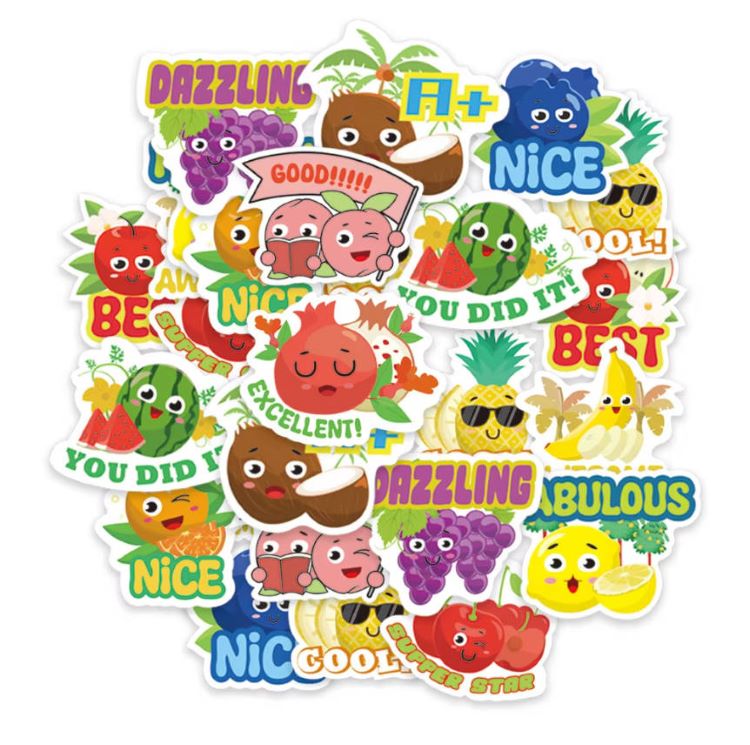
Scratch and sniff technology is useful because it adds a physical action to communication. Instead of only seeing a product message, users participate in it.
| Application | How scent adds value |
|---|---|
| Product packaging | Lets shoppers experience a fragrance before purchase |
| Catalogs and brochures | Supports perfume, home-care, beauty, food, and lifestyle promotion |
| Children's books and learning materials | Makes activities more interactive and memorable |
| Promotional stickers | Encourages collection, sharing, and repeat engagement |
| Game cards and novelty products | Adds surprise, challenge, or sensory identification |
| Direct-mail campaigns | Helps printed promotions stand out from ordinary mail |
| Brand events and retail displays | Supports product discovery and interactive demonstrations |
For a fragrance-related product, scent can make a printed sample more informative. For a children's product, it can make learning more engaging. For promotional material, it can create a stronger memory cue than visual design alone.
The most visually attractive design is not always the most functional. A successful project considers how people will actually find and activate the scent area.
Users should know where to scratch. Consider:
- A clear instruction such as "Scratch Here"
- A visible icon, dotted outline, or textured-looking graphic
- A fragrance-related image, such as a lemon, flower, coffee bean, or candy
- Adequate space for a fingertip or fingernail
- Contrast between the scent area and surrounding artwork
If the activation area is unclear, users may scratch random parts of the sticker and assume the scent is weak or missing.
The best sensory experience is usually intuitive. A watermelon visual should smell like watermelon. A coffee illustration should suggest roasted coffee. A floral design should deliver a fragrance direction that feels aligned with the artwork.
A mismatch can be used intentionally for humor or surprise, but it should be a deliberate brand choice.
Before finalizing artwork, consider where the item will be used:
- Will it be handled by children?
- Will it be mailed internationally?
- Will it sit on a retail shelf under lighting?
- Will it be applied to flexible packaging?
- Does the scent need to survive folding, rolling, or die-cutting?
- Will users scratch it once, or many times?
These questions help determine the suitable material, coating location, packaging method, and production process.
Scratch and sniff products should be developed responsibly. Requirements vary depending on the destination market, product category, end user, fragrance formula, substrate, and intended contact conditions.
For projects involving children, consumer packaging, cosmetics, promotional samples, or international distribution, buyers should discuss applicable safety, labeling, and chemical-compliance expectations with the manufacturer before production. It is also important to distinguish a scent coating from a material designed for direct food contact.
Fragrance selection should take account of recognized industry guidance, intended use, and market-specific requirements. For children's products, the product design should also consider age suitability and reduce risks related to small parts, improper use, or ingestion. Industry suppliers commonly note that scented print coatings are not intended for direct food contact and recommend careful consideration for children's applications.
Before requesting a quotation for custom scratch and sniff stickers, prepare the following details:
1. Sticker size, shape, and quantity
2. Artwork file and printing colors
3. Target scent or fragrance reference
4. Material preference, such as paper, vinyl, film, card, or label stock
5. Scratch-area location and dimensions
6. Application scenario, such as packaging, books, promotion, or retail
7. Destination market and compliance needs
8. Packaging and shipment requirements
9. Desired sample and approval process
10. Expected storage conditions and product lifetime
Providing this information early reduces revision cycles and helps a manufacturer recommend a better solution rather than offering a generic scented sticker.
Scratch and sniff stickers work because they combine material science, fragrance development, printing technology, and user interaction. The user scratches. Microcapsules break. Fragrance is released. But behind that simple moment is a carefully engineered balance of scent quality, capsule performance, print durability, and product design.
At Qingdao Focus On Color Industry & Trade Co., Ltd., we bring more than 13 years of manufacturing experience to color-changing and fragrance-related products, including scratch and sniff solutions. We support OEM, ODM, and personalized customization for global buyers who need stable product performance, flexible design options, and professional project support.
Tell us your idea, target fragrance, material requirements, and application scenario. We can help turn your custom scented sticker concept into a practical, production-ready solution.
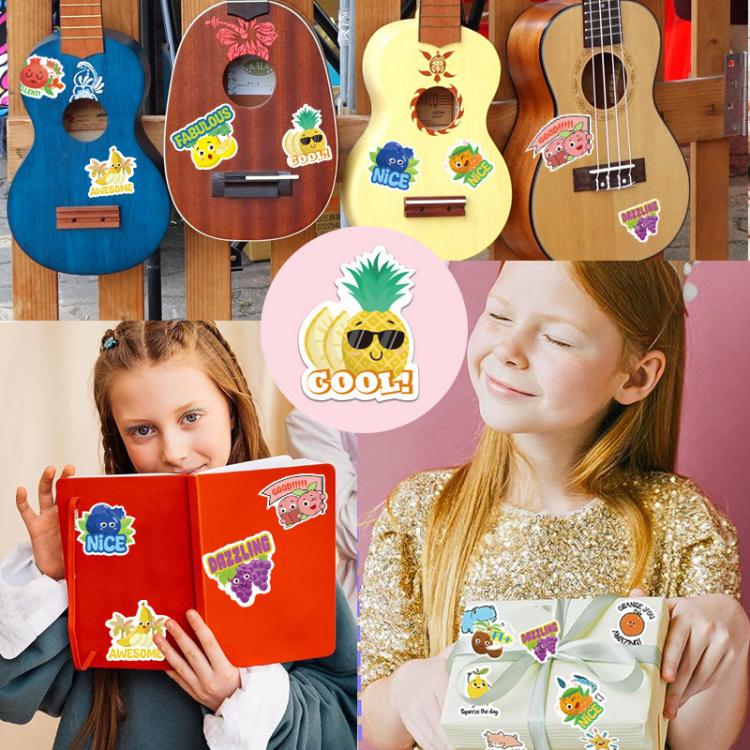
Scratch and sniff stickers contain fragrance inside microscopic capsules. Scratching breaks some capsules and releases the scent into the air.
Yes. Scent performance gradually declines as capsules are activated or exposed to unfavorable conditions. Proper formulation, packaging, and storage can help preserve fragrance for longer.
Yes. Custom projects can use a selected fragrance profile, a product-inspired scent, or a scent developed around a specific brand concept. Sampling is recommended before mass production.
Common options include paper labels, coated paper, card stock, synthetic films, and other printable substrates. The best option depends on how the sticker will be used, stored, and applied.
Place it where users can easily find and rub it without damaging essential artwork. A dedicated scent patch, clear icon, or "Scratch Here" instruction usually improves usability.
They can be developed for children's applications, but the project should be assessed for relevant material, fragrance, labeling, age-grading, and market requirements. Adult supervision may be appropriate depending on the product design.
Yes. The technology can be applied to selected printed packaging areas, cards, brochures, inserts, books, and promotional materials, subject to material compatibility and application requirements.
Share your artwork, size, quantity, target scent, material preference, intended application, and destination market. A manufacturer can then evaluate feasibility, recommend suitable specifications, and arrange sampling.
1. HowStuffWorks. [How Do Scratch-and-Sniff Stickers Work?]
2. U.S. Patent Application. [Scratch and Sniff Delivery Systems and Methods of Using the Same]
3. How Products Are Made. [Scratch and Sniff]
4. Pennsylvania State University, Center for Nanoscale Science. [Scratch and Sniff Stickers]
5. Discount Labels. [How Do Scratch & Sniff Stickers Work?]
6. Alpine Packaging. [Scratch and Sniff Labels]
7. IFRA. [International Fragrance Association]


