+86 18560646018

Views: 243 Author: Focus Color Publish Time: 2026-08-19 Origin: Site


Content Menu
● Quick Answer: UV Resistance by Material
● Is Photo Paper UV Resistant?
>> Can Lamination Make Photo Paper Outdoor-Safe?
● Are Direct Thermal Stickers UV Resistant?
>> When Should Direct Thermal Labels Be Used?
>> UV-Cured Ink Does Not Mean UV-Proof
● What Determines Outdoor Sticker UV Resistance?
● Practical Material Selection Guide
● A Practical Test Before Mass Production
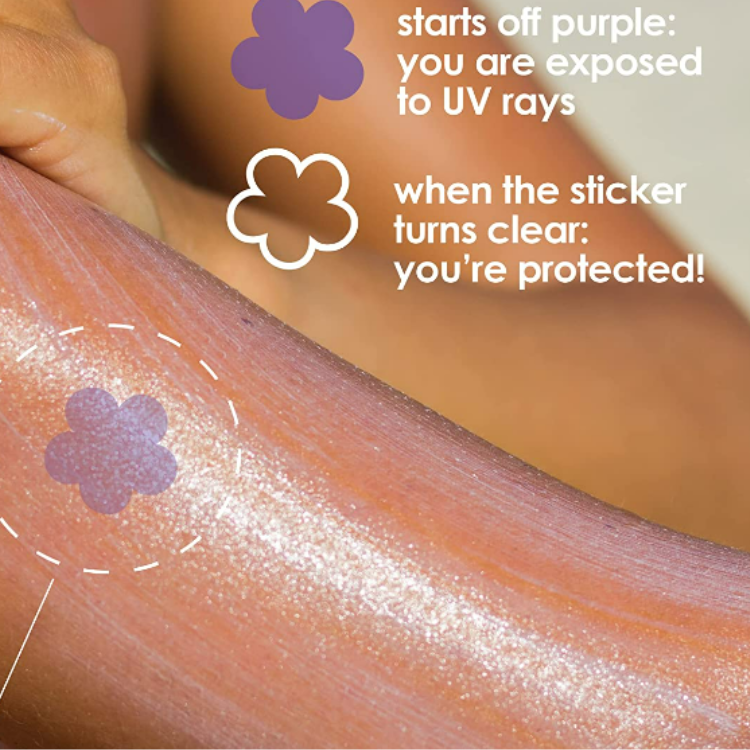
● Custom UV-Resistant Color-Changing Solutions
● FAQ
>> Does photo paper fade in sunlight?
>> Are direct thermal labels suitable for outdoor use?
>> Does UV laminate prevent sticker fading?
>> Which vinyl is best for long-term outdoor decals?
>> Can photochromic stickers be used outdoors?
>> What information should I provide when requesting a custom sticker quotation?
Photo paper, direct stickers, and vinyl do not offer the same UV resistance. Standard photo paper and paper-based direct stickers are primarily designed for indoor use, while properly specified vinyl—combined with outdoor-rated inks, adhesive, and protective laminate—can withstand prolonged sunlight far more effectively.
For buyers sourcing custom color-changing labels, promotional decals, packaging stickers, or temperature-sensitive product labels, the key question is not simply "Is it vinyl?" It is whether the entire construction—face material, ink system, adhesive, laminate, and real application environment—is suitable for UV exposure.
At Qingdao Focus On Color Industry & Trade Co., Ltd., we regularly help customers evaluate material combinations for photochromic, thermochromic, liquid-crystal temperature indicator, fragrance, and custom printed products. With more than 13 years of manufacturing experience, our practical recommendation is clear: choose the material system according to where, how long, and under what conditions the sticker will be used.
| Material | UV Resistance | Suitable for Outdoor Use? | Typical Application |
|---|---|---|---|
| Standard photo paper | Low | No | Indoor photos, short-term displays, craft projects |
| Coated paper sticker | Low to moderate | Usually no | Product packaging, indoor labels, promotions |
| Direct thermal paper sticker | Very low | No | Shipping labels, receipts, short-life logistics labels |
| Inkjet printable vinyl | Moderate | Limited | Short-term indoor or sheltered applications |
| Outdoor vinyl with UV-resistant printing | Good | Yes | Decals, branding labels, outdoor promotions |
| Vinyl with UV-protective laminate | Very good | Yes | Equipment labels, outdoor signs, vehicle decals |
| Cast vinyl with laminate | Excellent | Yes, long-term | Curved surfaces, vehicles, demanding outdoor use |
Standard paper-based stickers can fade, yellow, absorb moisture, or lose adhesion quickly when exposed to direct sun and rain. In contrast, high-quality outdoor vinyl stickers using durable inks and a UV-protective overlaminate can provide several years of service, depending on climate, orientation, ink technology, surface preparation, and application conditions.
Most photo paper is not UV resistant by default. It may produce sharp images and vivid colors indoors, but it is not engineered for sustained outdoor exposure.
Photo paper generally consists of a paper base with one or more coated layers designed to receive ink. Those coatings can improve color density and image definition, but they do not automatically protect the printed image from ultraviolet light.
When photo paper is placed near a sunny window, used for outdoor signage, or applied in a hot and humid environment, several failures may occur:
- Color fading, especially in red, yellow, and magenta areas.
- Paper yellowing caused by light exposure and oxidation.
- Ink migration or bleeding when moisture reaches the paper.
- Curling and warping in humid environments.
- Adhesive failure if the product is a paper-based sticker.
- Surface cracking after repeated heat and humidity cycles.
Even coated paper is generally an indoor material. It may be acceptable for short-term displays, gift packaging, event graphics, photo prints, or protected retail promotions. It is not an appropriate material choice for durable outdoor labels, vehicle decals, exposed product identification, or long-term advertising.
Lamination can improve scratch resistance and slow fading, but laminating photo paper does not turn it into outdoor vinyl.
The main issue is the paper substrate. If water enters through cut edges, corners, pinholes, or damaged areas, the paper can still swell and break down. A laminate protects the face, but it cannot fully eliminate the underlying limitations of paper.
For temporary indoor graphics, laminated photo paper can be useful. For outdoor applications, choose a synthetic or vinyl-based material instead.
Direct thermal stickers have very limited UV resistance. They are among the least suitable materials for sunlight exposure.
Direct thermal labels do not use ribbon or conventional printing ink. Instead, heat activates a chemical coating on the label surface. This system is efficient for shipping labels, retail receipts, barcodes, warehouse identification, and logistics applications where the label is expected to have a relatively short life.
However, the thermal coating is sensitive to environmental conditions, including:
- Direct sunlight.
- Heat exposure.
- Abrasion and friction.
- Plasticizer migration from films or packaging.
- Oils, chemicals, and solvents.
- Long storage periods.
Sunlight can cause direct thermal labels to darken, fade, or become difficult to scan. A barcode that becomes unreadable can lead to inventory errors, shipping delays, failed product traceability, and customer complaints.
Direct thermal labels remain a practical choice when speed and cost efficiency matter more than long-term durability. They are commonly suitable for:
- Courier and shipping labels.
- Temporary warehouse labels.
- Short-term retail labels.
- Fresh food and logistics applications.
- Internal inventory tracking.
- Temporary ticketing and receipts.
For products exposed to outdoor storage, sunlight, high heat, long transportation cycles, or extended shelf life, consider thermal transfer labels, PET labels, PP labels, or outdoor-grade vinyl labels instead.
Vinyl is more UV resistant than paper, but not every vinyl sticker is equally UV resistant.
A basic vinyl sticker may resist moisture better than paper, but the printed colors can still fade if the ink system and surface finish are not designed for UV exposure. A truly durable outdoor vinyl label requires more than a vinyl face film.
The most reliable outdoor construction usually includes:
1. Outdoor-grade vinyl film
2. UV-resistant ink or UV-cured printing system
3. Adhesive matched to the target surface
4. UV-protective laminate or clear protective coating
5. Proper printing, curing, cutting, and application procedures
A high-quality UV laminate creates a protective barrier over the printed image. It helps reduce color fading, surface abrasion, moisture damage, and minor chemical exposure. Industry guidance commonly identifies laminated vinyl as a stronger choice for outdoor use than unlaminated vinyl, especially in high-UV environments.
This is an important distinction for product developers and sourcing teams.
UV-cured ink is durable, but it is not automatically immune to sunlight. UV curing refers to how the ink is cured during production. It can create a tough ink film with good surface performance. However, sunlight can still degrade pigments over time, particularly on unprotected outdoor graphics.
For long-term exposure, combine UV-cured, solvent, eco-solvent, screen-printed, or otherwise outdoor-rated ink with a compatible UV-protective overlaminate. The ink and laminate work together: one improves print durability, while the other helps reduce UV reaching the printed layer.
A label's outdoor performance depends on the complete product specification—not one material claim.
The label face material determines the first level of durability.
- Paper: Best for indoor and short-term use.
- PP or BOPP: Suitable for many packaging labels and moisture-resistant applications.
- PET: Useful where dimensional stability, heat resistance, and chemical resistance are important.
- Calendared vinyl: A cost-effective option for flat or gently curved outdoor surfaces.
- Cast vinyl: A premium choice for long-term outdoor use and complex curved surfaces.
Calendared vinyl is commonly used for general outdoor labels and signage, while cast vinyl is typically selected for demanding applications such as vehicle graphics, contoured surfaces, and longer-term exposure.
Ink quality directly affects color retention. Standard dye-based inkjet printing may look vivid at first but can fade rapidly outdoors. For demanding applications, consider:
- UV-cured inks.
- Solvent or eco-solvent inks.
- Latex inks.
- Screen-printing inks.
- Industrial-grade digital printing inks.
The best choice depends on design complexity, order quantity, required durability, target substrate, and budget.
A UV-protective laminate is highly recommended when labels will face direct sunlight, rain, cleaning, abrasion, or repeated handling.
A laminate can provide:
- Better resistance to color fading.
- Improved scratch resistance.
- Better water protection.
- Reduced surface wear.
- Gloss, matte, or textured visual effects.
- Added protection for color-changing printed areas.
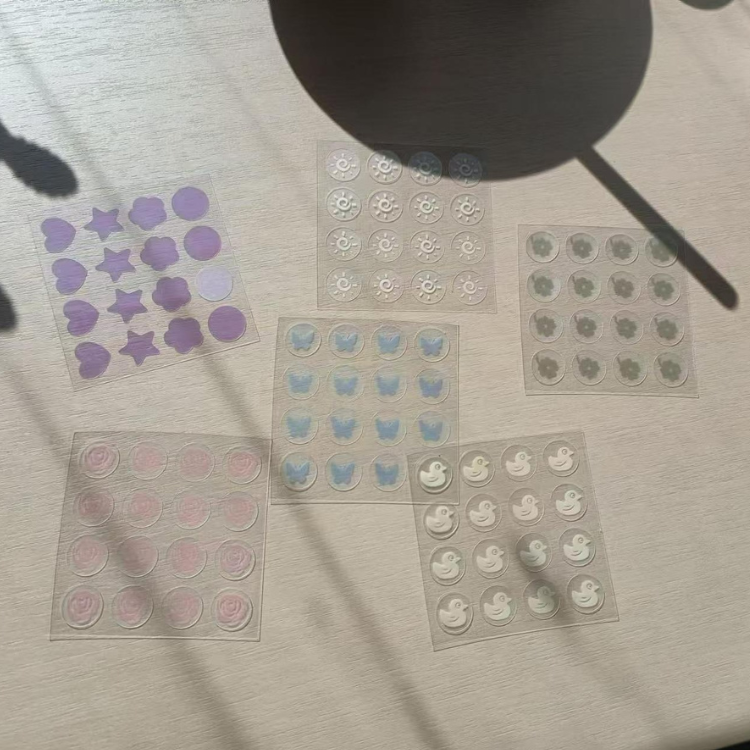
For custom photochromic or thermochromic products, laminate selection needs additional care. Some protective films can affect color visibility, activation speed, tactile feel, or viewing contrast. Testing is essential before mass production.
A UV-resistant face material cannot compensate for the wrong adhesive.
For example, an outdoor label may fail because the adhesive is not suitable for:
- Powder-coated metal.
- Low-energy plastics such as PE or PP.
- Rough walls or textured surfaces.
- Curved bottles and containers.
- High-temperature surfaces.
- Refrigerated or frozen packaging.
- Humid outdoor environments.
The adhesive should be selected after confirming the target surface, application temperature, service temperature, and expected removal requirement.
There is no universal outdoor lifespan. A label installed in shaded northern Europe may perform very differently from the same label installed under intense direct sunlight in Australia, the Middle East, Southeast Asia, or high-altitude regions.
The following conditions accelerate degradation:
- South- or west-facing exposure.
- Strong year-round sunlight.
- High heat.
- Salt spray near coastal areas.
- Air pollution.
- Frequent washing.
- Abrasion from handling.
- Contact with fuel, oil, solvents, or cleaners.
| Application | Recommended Material | Protective Option | Notes |
|---|---|---|---|
| Indoor product packaging | Coated paper, PP, BOPP | Optional varnish or laminate | Choose based on appearance and moisture exposure |
| Shipping and warehouse labels | Direct thermal or thermal transfer | Not usually needed | Use thermal transfer for longer durability |
| Short-term window promotion | Printable vinyl | Optional laminate | Suitable for temporary campaigns |
| Outdoor brand stickers | Calendared vinyl | UV laminate | Good balance of cost and durability |
| Equipment identification labels | PET or premium vinyl | UV laminate | Consider chemical and abrasion resistance |
| Vehicle decals | Cast vinyl | UV laminate | Best for curves, movement, and long-term exposure |
| Outdoor color-changing labels | Tested vinyl or synthetic film | Compatible protective layer | Confirm color activation and visibility first |
For custom projects, do not rely only on a supplier's material description. Request samples and evaluate the finished structure under realistic conditions.
A simple pre-production validation process should include:
1. Apply samples to the actual substrate.
Test metal, plastic, glass, paperboard, painted surfaces, or packaging material used in the final project.
2. Expose samples to real light conditions.
Place samples in direct sunlight and shaded conditions to compare fading behavior.
3. Check adhesion after 24, 48, and 72 hours.
Adhesive performance often improves after application, so immediate testing can be misleading.
4. Assess water, abrasion, and cleaning resistance.
Simulate handling, wiping, moisture, or contact with expected cleaning agents.
5. Review color performance.
Confirm that brand colors, photochromic color changes, thermochromic effects, or liquid-crystal temperature displays remain clear and consistent.
6. Approve a retained production standard.
Keep an approved sample as the quality reference for future production batches.
For color-changing products, this testing process is especially valuable. A material may appear excellent under indoor lighting but deliver insufficient visual contrast outdoors. Temperature range, activation color, base color, print coverage, light conditions, and protective surface treatment can all affect the final result.
The most frequent purchasing error is assuming that "waterproof" means "sunproof."
Water resistance and UV resistance are different performance requirements. A label can survive rain but still fade quickly in sunlight. Conversely, a material may have strong color stability but fail because its adhesive cannot bond to the target surface.
Avoid these common mistakes:
- Selecting photo paper for outdoor decals.
- Using direct thermal labels for long-term product identification.
- Choosing vinyl without confirming ink and laminate specifications.
- Ignoring the target surface and adhesive compatibility.
- Approving samples under indoor lighting only.
- Treating estimated outdoor life as a universal guarantee.
- Applying labels to dirty, wet, cold, oily, or poorly prepared surfaces.
- Failing to test color-changing effects after lamination.
For brands developing interactive packaging, promotional labels, safety indicators, beverage labels, cosmetic packaging, novelty items, or temperature-monitoring products, color-changing technology can create a more memorable customer experience.
Qingdao Focus On Color Industry & Trade Co., Ltd. supplies customized solutions across photochromic, thermochromic, liquid-crystal temperature indicator, fragrance, and related specialty product categories. We support OEM, ODM, and personalized projects for global customers.
Our team can help evaluate:
- Suitable color-changing materials for the intended application.
- Color activation requirements.
- Label, film, sheet, pigment, or printed-product formats.
- Printing compatibility and surface treatments.
- Indoor versus outdoor performance expectations.
- Custom colors, sizes, shapes, packaging, and branding requirements.
- Sample development before full production.
If your product will be exposed to sunlight, heat, moisture, or frequent handling, share your target application, substrate, expected lifespan, and design file with us. We can recommend a practical material structure and develop samples for evaluation before production.
Yes. Standard photo paper can fade in sunlight because the paper base and printed inks are not usually designed for prolonged UV exposure. It is best used indoors or in protected display environments.
No. Direct thermal labels are generally unsuitable for outdoor use because sunlight, heat, friction, moisture, and chemicals can damage the thermal coating and reduce print readability.
No. Vinyl is generally more durable than paper, but actual UV performance depends on the vinyl grade, printing ink, laminate, adhesive, climate, and installation conditions.
UV laminate can significantly slow fading and improve surface durability, but it cannot prevent all long-term degradation. Direct sun, climate, ink type, and material quality still affect service life.
Cast vinyl with outdoor-rated ink and a UV-protective laminate is usually the best choice for long-term outdoor decals, particularly on curved surfaces such as vehicles, helmets, equipment, and containers.
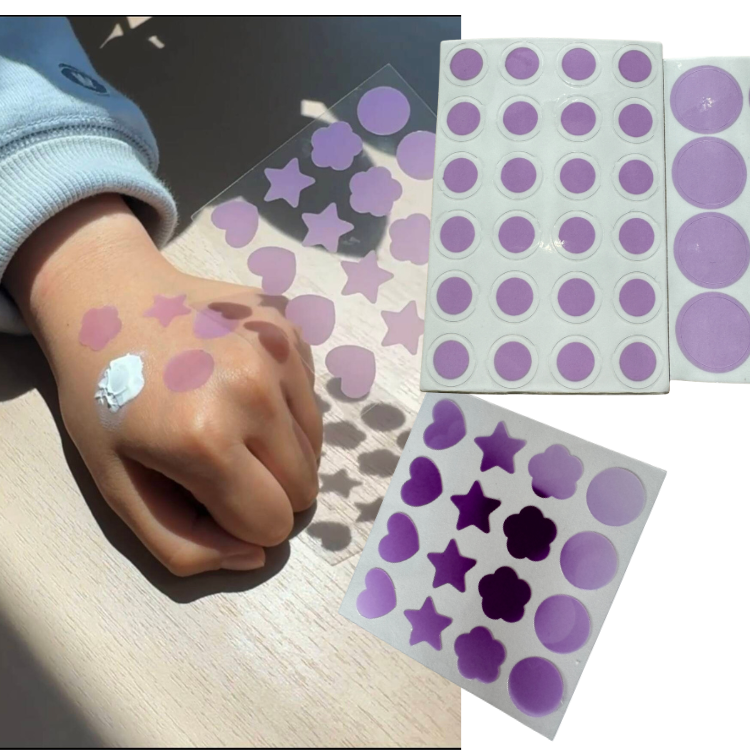
Yes, but the final design must be tested. The photochromic material, print process, base color, laminate, adhesive, and expected light conditions can all affect color change visibility and long-term performance.
Provide the intended application, material preference, surface type, dimensions, artwork, quantity, desired lifespan, environment, color-changing requirement, packaging needs, and any certification or compliance requirements.
1. [StickerNation — Outdoor Stickers & Decals: What Lasts and What Does Not]
2. [Paperlust — Weatherproof Stickers: Outdoor Durability]
3. [Paperlust — Waterproof Stickers for Outdoor Use]
4. [Bullseye NYC — UV Fade on Outdoor Graphics: Causes, Fixes & Lifespan]
5. [PinStage — Sticker Lamination: Gloss, Matte, Anti-Slip & Durability]


