+86 18560646018

Views: 243 Author: Focus Color Publish Time: 2026-08-19 Origin: Site


Content Menu
● What Are Scratch and Sniff Stickers?
● How Do Scratch and Sniff Stickers Work?
● Materials Needed for Scratch and Sniff Stickers
● Professional Process for Making Scratch and Sniff Stickers
>> 1. Define the Product Application
>> 2. Create the Artwork and Scratch Zone
>> 3. Prepare the Fragrance Microcapsule Coating
>> 5. Apply the Scented Coating
>> 6. Dry, Cure, Convert, and Pack
>> Print and Coating Inspection
>> Adhesion and Application Test
● Common Problems and How to Avoid Them
>> Weak Scent After Scratching
>> Capsules Break During Production
>> Scent Transfers to Other Products
>> Sticker Does Not Adhere Well
● Choosing a Manufacturer for Custom Scented Stickers
● Create Your Custom Scratch and Sniff Stickers
>> 1. Can scratch and sniff stickers use custom fragrances?
>> 2. How long does the scent last on scratch and sniff stickers?
>> 3. Are scratch and sniff stickers suitable for product packaging?
>> 4. Can the scented area be printed anywhere on the sticker?
>> 5. What is the minimum order quantity for custom scratch and sniff stickers?
>> 6. Can scratch and sniff stickers be used for children's products?
Scratch and sniff stickers turn a simple printed label into a hands-on sensory experience. By combining microencapsulated fragrance, a suitable coating system, precise printing, and controlled curing, brands can create scented stickers that release aroma only when customers rub or scratch the designated area.
At Qingdao Focus On Color Industry & Trade Co., Ltd., we have spent more than 13 years developing color-changing, temperature-sensitive, fragrance, and customized functional products. From our manufacturing perspective, the key to reliable scratch and sniff stickers is not simply adding fragrance oil to an ink or varnish. It is protecting the fragrance inside durable microcapsules, applying those capsules without damaging them, and building a complete label structure that balances scent strength, print quality, adhesion, and shelf stability.
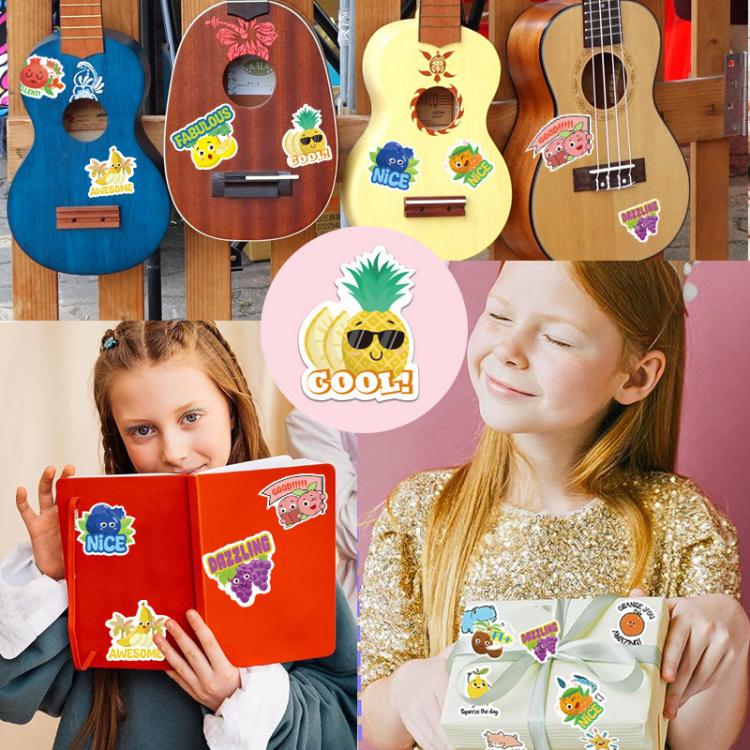
Scratch and sniff stickers are printed labels, cards, packaging inserts, or promotional materials that release fragrance when a user rubs or scratches a specific surface. The scent is stored in tiny fragrance-filled capsules. When friction breaks part of the capsule shell, the aroma is released into the air.
This technology is widely used for:
- Perfume and personal-care sampling
- Food and beverage promotions
- Children's books and educational products
- Candle and home-fragrance labels
- Cosmetics and skin-care packaging
- Brand postcards, catalogues, and direct-mail campaigns
- Toy, stationery, and novelty sticker products
- Retail displays and point-of-sale materials
The most important principle is simple: the fragrance should remain protected before activation and release clearly after scratching.
Unlike ordinary scented paper, scratch and sniff labels offer a more controlled aroma experience. The fragrance is not intended to evaporate immediately after production. Instead, most of the fragrance remains enclosed until the final user activates the printed area. Microencapsulation helps reduce early fragrance loss and creates a more memorable interaction with the package or printed item.
The core technology behind a scratch and sniff sticker is called microencapsulation. A fragrance oil or aroma compound is enclosed in countless microscopic capsules, usually surrounded by a polymer, gelatin-based, or other protective shell.
These capsules are mixed into a compatible water-based, UV-curable, or other specialty coating system. The scented coating is then printed onto a selected scratch area, dried or cured, and protected during converting and packing.
When a customer rubs the surface:
1. Friction applies pressure to the printed scent layer.
2. Some fragrance microcapsules rupture.
3. The enclosed aroma is released.
4. Remaining unbroken capsules can still release scent during later scratches.
A useful way to explain the mechanism is to imagine millions of miniature sealed fragrance containers on one label. A light scratch opens only a portion of them, allowing repeated interaction instead of one single scent release.
Professional scratch and sniff sticker production requires more than an adhesive label and a fragrance oil. Each material must work with the selected printing process, product application, storage environment, and target scent performance.
| Material | Main Function | Key Selection Point |
|---|---|---|
| Face stock | Forms the visible sticker surface | Paper, film, or specialty substrate must suit the printing method |
| Pressure-sensitive adhesive | Attaches the sticker to a product or surface | Must match packaging material and end-use conditions |
| Release liner | Protects adhesive before application | Choose a liner compatible with die-cutting and automated labeling |
| Microencapsulated fragrance | Stores and releases the aroma | Capsule size, shell strength, scent profile, and stability matter |
| Binder or varnish | Holds capsules on the printed surface | Must disperse capsules evenly without damaging them |
| Base inks | Create graphics, instructions, and branding | Ink chemistry must be compatible with scent coating |
| Protective packaging | Limits damage during storage and shipment | Helps control friction, humidity, heat, and odor transfer |
For customized projects, the fragrance is only one part of the decision. A strawberry scent may perform differently from coffee, mint, leather, vanilla, ocean, rose, citrus, or a proprietary brand fragrance. Some aroma profiles are naturally stronger, while others need additional formulation work to achieve a recognizable scent after printing.
Before creating samples, identify exactly how the scratch and sniff sticker will be used. A scent label for a perfume catalogue has different requirements from a children's reward sticker or a candle jar label.
A practical project brief should confirm:
- Sticker size and shape
- Intended substrate and adhesive surface
- Scent type and expected scent intensity
- Scratch area location
- Printing quantity
- Indoor or outdoor use
- Storage and shipping conditions
- Regulatory requirements for the target market
- Whether the label contacts cosmetics, food packaging, or other sensitive applications
This early step prevents a common mistake: choosing materials based only on appearance, then discovering that the label loses scent, curls, fails to adhere, or cannot survive transport.
The artwork should make the interaction obvious. Customers need to know where to scratch and what to expect.
Common instruction options include:
- "Scratch Here"
- "Rub to Release Fragrance"
- "Discover the Scent"
- "Scratch & Smell"
- A finger icon or textured circular area
- A printed scent name, such as "Fresh Lemon" or "Vanilla Cream"
The scratch zone should be large enough for comfortable use but should not cover important product information. For premium packaging, the scented area can be integrated into a graphic element such as a flower, fruit, perfume bottle, coffee bean, candle flame, or product illustration.
From a production standpoint, avoid using extremely fine text or highly detailed artwork directly beneath a heavy scented coating. The coating can affect gloss, transparency, and image sharpness if the design is not planned correctly. Applied scented pastes may blur or obscure printed images, so separating the scent panel from detailed visual content is often the safer choice.
The fragrance microcapsules are dispersed into a compatible binder, varnish, or coating system. This stage requires gentle and controlled mixing.
Do not treat microcapsules like a standard pigment. Excessive shear force, aggressive pumping, unsuitable solvents, or harsh mixing can prematurely break capsule shells. That reduces fragrance performance before the stickers even reach the customer.
A controlled coating preparation process typically includes:
- Verifying capsule and binder compatibility
- Mixing slowly enough to preserve capsule integrity
- Checking dispersion uniformity
- Confirming viscosity for the selected printing method
- Running a small print trial before mass production
- Evaluating scent strength after drying or curing
For large-volume projects, manufacturers should keep batch records for fragrance lot number, coating formulation, printing conditions, and sample approval. This provides better consistency for repeat orders.
The base sticker design is printed first using the chosen printing process. Depending on the project, this may involve flexographic printing, screen printing, offset printing, gravure printing, digital printing, or a combined production method.
The best process depends on:
- Order volume
- Label size
- Number of colors
- Required detail level
- Substrate type
- Coating thickness
- Scent-area size
- Budget and lead time
For many functional labels, the fragrance coating is applied only after the main graphic layer is fully dry or cured. This helps maintain better visual quality and reduces the risk of unwanted interaction between the base inks and the scent layer.
The microencapsulated fragrance coating is applied to the planned scratch area. Screen printing is often suitable when a thicker, more tactile coating is needed, while other processes may be selected for speed, coverage, or design requirements.
During application, manufacturers need to control:
- Coating weight
- Coverage consistency
- Registration accuracy
- Capsule survival rate
- Drying or curing conditions
- Surface feel
- Fragrance release after scratching
The goal is not always the thickest possible coating. A coating that is too heavy can crack, affect label flexibility, reduce graphic clarity, or make the label harder to convert. A coating that is too light may provide weak scent release. The right result is a balanced layer that delivers a clear aroma with reasonable scratching pressure.
After coating, the printed material must dry or cure under conditions that preserve fragrance performance. Excessive heat can accelerate aroma loss or change the scent profile. Insufficient drying may cause blocking, transfer, or surface damage during rewinding and die-cutting.
Once approved, the material can be:
1. Laminated if required.
2. Die-cut into individual sticker shapes.
3. Removed from the waste matrix.
4. Rewound into rolls or sheeted into packs.
5. Packed with protective materials for shipment.
Scratch and sniff products should be packed to minimize unnecessary friction during storage and transportation. For certain projects, protective interleaving, sealed bags, or dedicated outer cartons can help preserve product appearance and reduce accidental scent release.
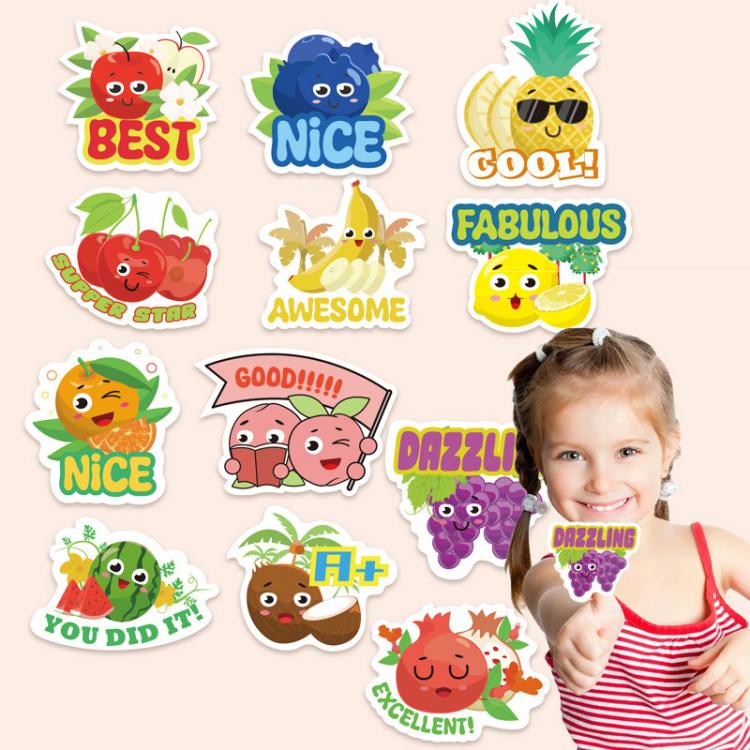
A scratch and sniff sticker may look attractive but still fail if the scent is too weak, the coating flakes, or the adhesive does not match the final package. A reliable quality-control plan should assess both functional and visual performance.
Trained staff scratch a defined area using consistent pressure and evaluate:
- How quickly the aroma appears
- Whether the scent matches the approved fragrance
- Whether the aroma is sufficiently recognizable
- Whether the effect can be repeated after multiple activations
Inspect the sticker for:
- Uneven scent coating
- Registration errors
- Smudging or color shift
- Surface cracking
- Pinholes or coating gaps
- Excessive gloss variation
- Damage after die-cutting
Apply labels to the intended surface, such as glass, plastic, coated paperboard, metal, or flexible packaging. Check whether the label remains attached under realistic handling conditions.
Retained samples should be checked after storage under agreed conditions. Heat, humidity, direct sunlight, packaging pressure, and long shipping routes can all influence fragrance retention and label performance.
Weak scent can result from low capsule loading, improper coating weight, incompatible binder chemistry, high curing temperature, or poor fragrance selection.
Solution: Adjust capsule concentration, coating thickness, curing conditions, or fragrance formulation after controlled testing.
Microcapsules can rupture during high-speed mixing, excessive pressure, unsuitable coating equipment, or rough converting.
Solution: Use low-shear mixing, select appropriate pumps and printing parameters, and validate capsule integrity through trial production.
A thick scent coating can reduce the clarity of fine graphics underneath it.
Solution: Place the scratch area in a dedicated design zone, use simpler graphics, or apply the scented coating selectively instead of across the entire label.
Odor transfer can happen when labels rub together in rolls, sheets, or cartons.
Solution: Optimize drying, add protective packaging, reduce unnecessary pressure, and confirm packing configuration before production.
The issue may not come from the scent coating. It can be caused by an adhesive unsuitable for the target container or application temperature.
Solution: Test adhesion on the actual packaging material before approving mass production.
When sourcing custom scratch and sniff stickers, avoid selecting a supplier based only on unit price. The lowest quotation may not include fragrance testing, suitable adhesive selection, sample validation, or protective packing.
Ask potential manufacturers:
- Can you develop custom fragrances or match a reference scent?
- Which substrates and adhesive options are available?
- Can you create a dedicated scratch area within our artwork?
- How do you protect microcapsules during mixing and printing?
- Can you provide pre-production samples?
- What quality tests are completed before shipment?
- How do you pack products to reduce accidental scent release?
- Can you support OEM, ODM, and branded customized projects?
A capable supplier should discuss the full product system, not just the printing price. The best result comes from coordinating fragrance, coating, artwork, substrate, adhesive, production method, and final use from the beginning.
Scratch and sniff stickers give brands a direct way to make packaging, samples, books, promotional cards, and retail materials more interactive. When developed correctly, they help customers experience a product through scent before purchase.
Qingdao Focus On Color Industry & Trade Co., Ltd. provides customized fragrance and functional product solutions backed by more than 13 years of manufacturing experience. We support OEM, ODM, and personalized projects for global customers, from early concept discussion and sample development to production and delivery.
Contact our team to discuss your custom scratch and sniff sticker project, fragrance concept, artwork, material requirements, and order quantity.
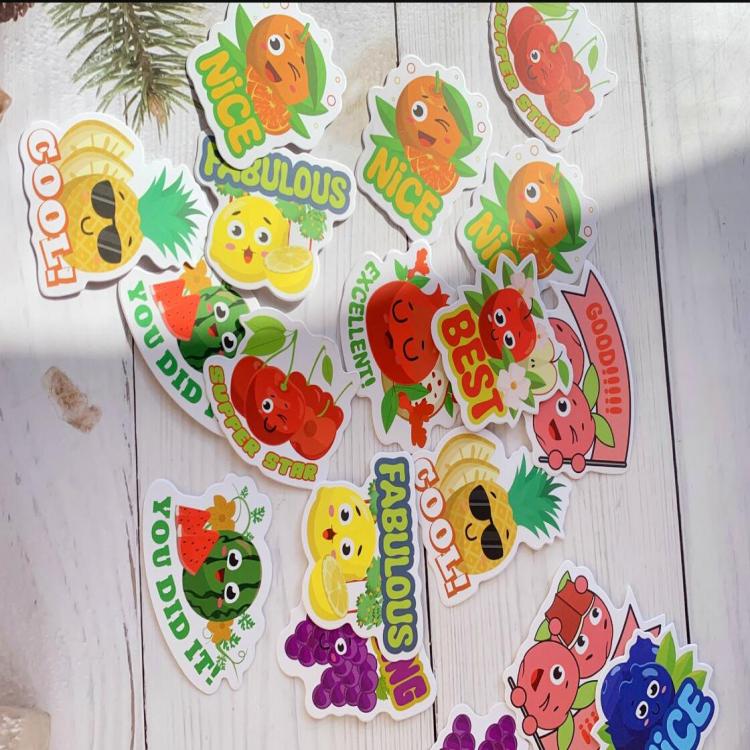
Yes. Custom scent development may include fruit, floral, food, beverage, cosmetic, home-fragrance, seasonal, or brand-inspired aroma directions. The final scent should be tested in the actual coating and label structure because fragrance performance can change after printing and curing.
Shelf life depends on fragrance chemistry, capsule quality, coating system, packaging, storage temperature, humidity, and handling. Microencapsulation helps preserve fragrance until activation, but manufacturers should validate performance through storage testing for each project.
Yes. They are commonly used on packaging, inserts, catalogues, samples, and retail displays. The label structure, adhesive, and fragrance system should be selected according to the packaging material and the final market's applicable requirements.
Usually, yes. However, it is best to reserve a clear scratch zone away from tiny text, barcodes, legal information, and highly detailed images. This improves both usability and print appearance.
Minimum order quantity depends on size, material, fragrance selection, printing process, packaging format, and customization level. A project with a new fragrance or complex die-cut shape may require a different minimum than a standard label design.
They can be designed for children's books, learning materials, toys, and reward stickers, but the product should be developed with age group, use environment, material safety, and applicable market requirements in mind. Final suitability should be confirmed for the specific product and destination market.
1. [HowStuffWorks — How Do Scratch-and-Sniff Stickers Work?]
2. [Indiana Public Media — Scratch-and-Sniff]
3. [Alpine Packaging — Scratch and Sniff Labels]
4. [University of Delaware — Scratch-and-Sniff Books]
5. [Berlin University of Applied Sciences — Scent Encapsulated in Printed Products]


