+86 18560646018

Views: 277 Author: Focus Color Publish Time: 2026-08-16 Origin: Site


Content Menu
● How Does a UV Transfer Sticker Work?
● UV Transfer Sticker vs. Traditional Sticker
● What Can UV Transfer Stickers Be Applied To?
● How to Apply a UV Transfer Sticker Correctly
>> Step-by-step application guide
● Why Surface Preparation Determines Durability
>> A practical quality-control checklist
● Common UV Transfer Sticker Applications
>> Promotional products and corporate gifts
>> Packaging and retail presentation
>> Home décor and personalized gifts
● UV Transfer Sticker Design Tips
>> Use clear, production-friendly artwork
● How Durable Are UV Transfer Stickers?
● Choosing a UV Transfer Sticker Supplier
● Request a Custom UV Transfer Sticker Solution
● FAQ
>> What is the difference between a UV transfer sticker and a UV DTF sticker?
>> Do UV transfer stickers need a heat press?
>> Can UV transfer stickers be used on tumblers?
>> Can UV transfer stickers be used on shirts or fabric?
>> Are UV transfer stickers waterproof?
>> How long should I wait before washing a UV transfer sticker?
>> Can UV transfer stickers be removed?
A UV transfer sticker, often called a UV DTF sticker or UV DTF decal, is a full-color, peel-and-stick graphic designed for decorating hard, smooth items such as glass bottles, metal tumblers, ceramic mugs, acrylic signs, and rigid plastic packaging. Unlike ordinary labels, it uses UV-cured ink and a transfer-film structure to create a vivid, slightly raised design without a heat press, cutting machine, or weeding process.
For brands, gift suppliers, promotional-product companies, and custom-product sellers, UV transfer stickers offer a fast way to add logos, artwork, variable designs, and premium visual details to finished products.
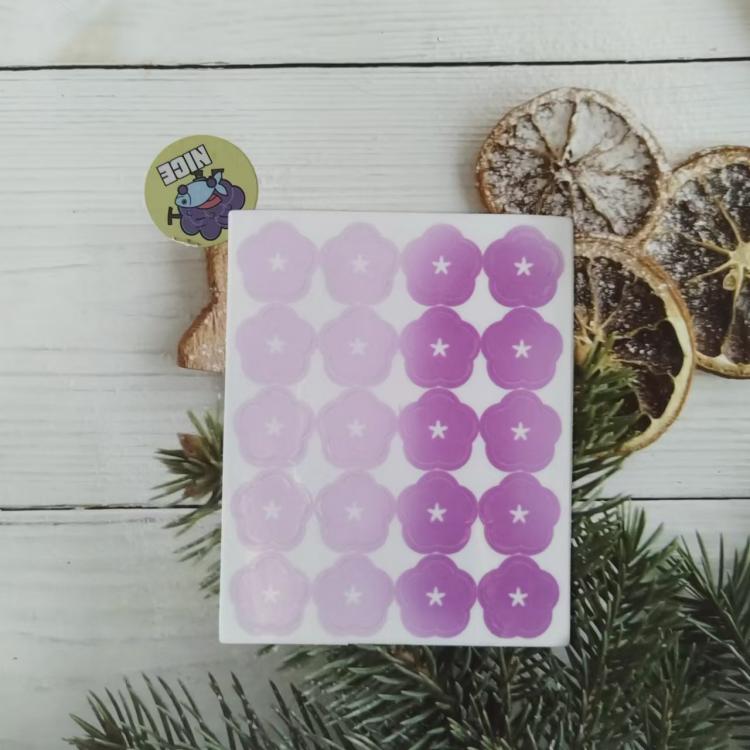
A UV transfer sticker is normally produced through a UV DTF printing process. "DTF" means "direct to film": the artwork is printed onto a special carrier film rather than directly onto the final object.
The process generally includes these stages:
1. Artwork preparation
The design is prepared with correct dimensions, colors, fine-line details, and transparent areas where needed.
2. UV ink printing
UV-curable inks are printed onto a release film. White ink is often used behind colored artwork so the design remains bright on dark or transparent products.
3. UV curing
UV light cures the ink quickly, creating a durable printed layer with clear color definition and a tactile finish.
4. Adhesive-film lamination
A second film is laminated over the printed design. This layer carries the adhesive system that bonds the graphic to the target surface.
5. Transfer application
The user removes the backing, positions the design, presses it firmly onto the product, then slowly peels away the top carrier film.
The final result is a clean graphic that appears to have been printed directly onto the object. It is especially useful where direct printing would be slow, expensive, or difficult because of the product's shape.
A standard vinyl sticker is usually a single printed label with its own backing paper. A UV transfer sticker works differently: it transfers the printed design itself onto the product surface.
| Feature | UV Transfer Sticker | Traditional Vinyl Sticker |
|---|---|---|
| Application | Peel, position, press, and remove carrier film | Peel and apply as one complete label |
| Final appearance | Printed graphic effect with minimal visible background | Often has a visible sticker edge or full label outline |
| Best surfaces | Smooth, rigid, non-porous surfaces | Many smooth surfaces, depending on adhesive |
| Heat press required | No | No |
| Weeding required | No | Often required for cut vinyl graphics |
| Fine design details | Strong capability for small text and complex artwork | Depends on cutting and printing method |
| Raised texture | Often has a subtle dimensional feel | Usually flatter |
| Custom product use | Drinkware, packaging, gifts, signs, bottles | Labels, decals, packaging, promotions |
A UV transfer sticker is not automatically the right choice for every substrate. Its biggest strength is hard-surface customization, not decoration for flexible textiles.
UV transfer stickers work best when the target product is clean, dry, smooth, and non-porous. The adhesive needs close contact with the surface to create a reliable bond.
Common compatible materials include:
- Glass: perfume bottles, candle jars, drinking glasses, cosmetic containers, windows, vases
- Metal: stainless-steel tumblers, aluminum bottles, tins, promotional tools, signage
- Ceramic: glazed mugs, tiles, jars, decorative products
- Acrylic: display boards, keychains, ornaments, nameplates
- Hard plastic: ABS, PET, polycarbonate, rigid phone cases, storage containers
- Coated wood: sealed plaques, decorative boxes, branded gift packaging
- Smooth leather-like materials: selected rigid or low-flex applications, after testing
Glass, coated metal, acrylic, glazed ceramic, and rigid plastics are widely considered the most reliable application surfaces because their smooth finishes support full adhesive contact.
UV transfer stickers are generally unsuitable for:
- Fabric, garments, and highly stretchable materials
- Silicone and rubber
- Untreated raw wood
- Rough concrete, deeply textured stone, or coarse powder coatings
- Oily, dusty, waxed, or release-coated surfaces
- Items that bend repeatedly during everyday use
- High-heat applications where adhesive degradation may occur
The cured graphic and adhesive layer can crack, lift, or peel when placed on flexible materials. For clothing, a textile-focused transfer method is usually the more appropriate option.
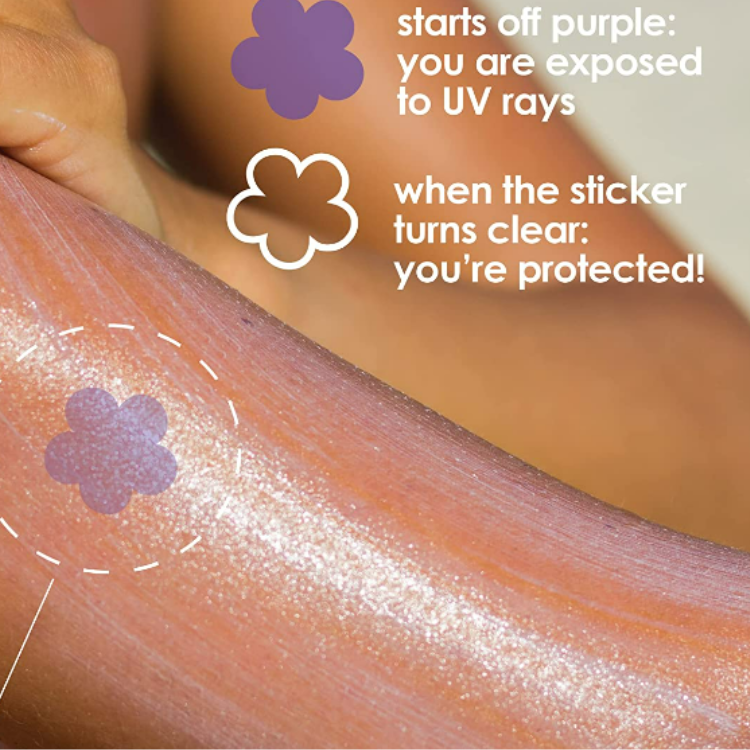
Correct application matters as much as print quality. Most adhesion problems are linked to surface contamination, poor positioning, insufficient pressure, or premature handling.
1. Clean the product surface
Remove dust, fingerprints, oil, moisture, polish, and packaging residue. A lint-free cloth and isopropyl alcohol are commonly used for hard-surface preparation.
2. Allow the surface to dry completely
Do not apply the transfer while liquid, condensation, or cleaning residue remains on the object.
3. Check the design position before peeling
Hold the sticker against the product to confirm alignment, especially on curved tumblers, bottles, jars, and narrow containers.
4. Peel the backing film slowly
Ensure every small letter, line, and decorative element remains attached to the transfer layer.
5. Apply gradually with firm pressure
Start at one side and work across the product. This helps reduce air bubbles and prevents the design from folding onto itself.
6. Burnish the entire design
Press from the center outward using steady, even pressure. Pay extra attention to edges, fine lettering, and narrow details.
7. Remove the top carrier film at a low angle
Peel slowly rather than pulling upward. If an area lifts, place the carrier film back down, press again, and continue carefully.
8. Let the product rest before heavy use
Adhesive systems can continue building bond strength after application. A 24-hour waiting period before washing or intensive use is a sensible production practice.
From a manufacturing perspective, the most important rule is simple: a premium transfer cannot compensate for a poorly prepared surface.
The adhesive needs direct contact with the substrate. Even invisible contamination—such as skin oil, mold-release residue, polishing compound, or moisture—can create weak points. Those weak points often appear later as lifted corners, bubbles, or edge failure.
For larger orders, we recommend a pre-production application test on the actual product, not only on a sample material. Two products that appear similar may have different coatings, surface energies, textures, or chemical treatments.
Before mass application, check:
- Is the product surface smooth and dry?
- Has the surface been cleaned without leaving residue?
- Does the design fit the product's curve and usable decoration area?
- Are small letters and thin lines large enough for the intended viewing distance?
- Has the transfer been tested after 24 hours?
- Will the finished item be exposed to frequent washing, friction, sunlight, heat, or chemicals?
- Has the customer approved the final artwork, color, and placement?
For demanding commercial projects, test one finished sample under realistic use conditions before moving into volume production. This is especially important for drinkware, outdoor promotional items, cosmetics packaging, and products subject to repeated handling.
UV transfer stickers make it possible to personalize many product categories without changing the base product mold or investing in direct-printing equipment for every variation.
Companies use UV transfer stickers for:
- Branded tumblers and water bottles
- Event gifts and welcome kits
- Employee recognition items
- Trade-show merchandise
- Custom keychains, badges, and desk accessories
A small brand may use one standard tumbler model but create multiple seasonal designs, client logos, or campaign messages. This approach reduces inventory complexity while keeping the finished product visually distinctive.
For consumer brands, UV transfer stickers can elevate the perceived value of:
- Candle jars
- Cosmetic bottles
- Skincare containers
- Fragrance packaging
- Gift boxes and rigid cases
- Limited-edition product collections
The process supports detailed illustrations, metallic-looking effects, colorful branding, and transparent design areas. It can be especially effective for short-run launches or products that require frequent artwork updates.
Popular applications include:
- Decorative glassware
- Personalized mugs and jars
- Acrylic ornaments
- Wedding favors
- Branded storage containers
- Nameplates and small signs
Because no heat press is needed, the application process can be efficient for products that are awkwardly shaped, already assembled, or unsuitable for high-temperature decoration.
A visually attractive file may still perform poorly if it is not designed for transfer production. The best designs balance creativity with physical application requirements.
For stronger results:
- Use high-resolution artwork and vector files where possible.
- Keep ultra-thin lines under review; they may be harder to transfer consistently.
- Avoid extremely small isolated dots or tiny lettering.
- Add sufficient spacing between fine elements.
- Consider the color of the final product surface.
- Use white ink strategically for dark, transparent, metallic, or colored substrates.
- Match the design size to the product's actual decoration area.
- Test highly curved products before confirming final artwork.
On transparent glass, an artwork design may look different depending on whether the object is empty, filled, backlit, or placed against a dark background. For that reason, physical sampling is valuable for fragrance bottles, candle jars, beverage containers, and display packaging.
Durability depends on the ink system, adhesive quality, substrate type, surface preparation, application pressure, product use, and environmental exposure. It is more accurate to treat durability as a performance range rather than a universal guarantee.
Industry guides commonly describe UV DTF transfers as waterproof and scratch-resistant when properly produced and applied to suitable hard surfaces. Reported lifespans can range from several years indoors to roughly 3–5 years in certain outdoor applications, although exposure, abrasion, washing methods, and substrate quality can significantly change results.
To improve service life:
- Apply only to compatible surfaces.
- Clean before application.
- Allow adequate bonding time.
- Avoid harsh scraping or abrasive cleaning tools.
- Hand-wash decorated drinkware when long-term appearance is important.
- Avoid repeated high-temperature dishwasher cycles unless the specific product has been tested for that condition.
- Keep the design away from frequent friction zones, sharp edges, and high-flex areas.
For commercial supply, avoid making blanket claims such as "permanent" or "dishwasher-safe" unless the final combination of transfer, substrate, application method, and intended use has been tested.
The right supplier does more than print artwork. They help reduce rework, product claims, and consistency issues across repeat orders.
When evaluating a supplier, ask about:
- Available ink colors, white ink, and special visual effects
- Film and adhesive options
- Sample support before mass production
- Artwork inspection and file-format requirements
- Minimum order quantity and repeat-order consistency
- Packaging method for preventing scratches, folding, or contamination
- Lead time for customized designs
- Surface and application recommendations
- OEM/ODM capabilities for branded programs
At Qingdao Focus On Color Industry & Trade Co., Ltd., we bring more than 13 years of manufacturing experience to custom color-changing, temperature-indicating, UV-responsive, and fragrance-related product programs. Our team supports OEM, ODM, and personalized projects for international customers, with attention to product stability, customization requirements, and practical production solutions.
If you are developing a promotional item, smart packaging concept, novelty gift, or interactive consumer product, UV transfer decoration can also be combined with visual features such as photochromic color effects, thermochromic color changes, liquid crystal temperature indicators, or fragrance-related components where appropriate to the product design.
A well-made UV transfer sticker can turn an ordinary hard-surface product into a recognizable branded item. The key is selecting the right material combination, preparing the surface correctly, and validating the result before full-scale production.
Contact Qingdao Focus On Color Industry & Trade Co., Ltd. today to discuss your custom UV transfer sticker, color-changing product, temperature-indicator, or fragrance-product requirements. Share your product photos, decoration area, artwork, expected order quantity, and target market, and our team can help you evaluate a suitable OEM/ODM solution.
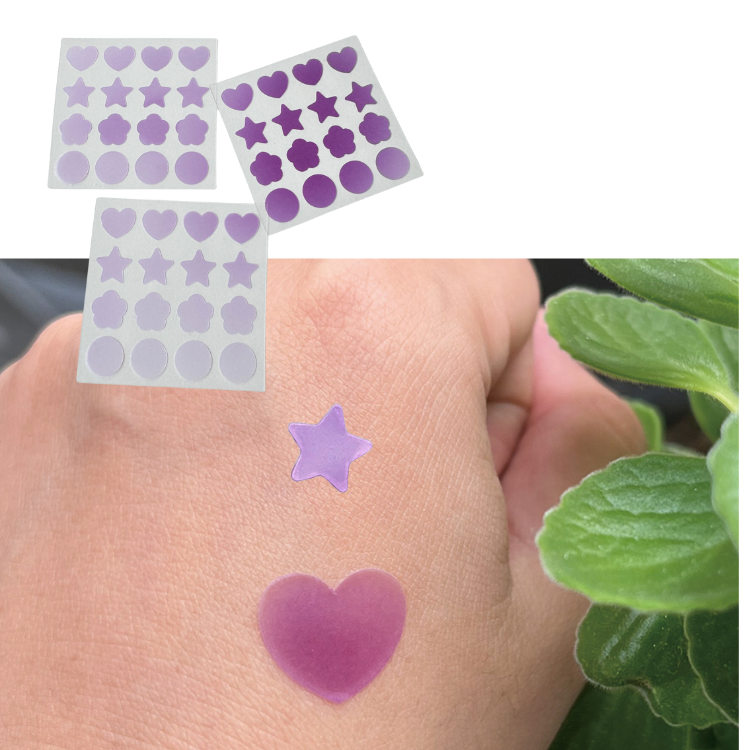
In most commercial conversations, the terms describe the same product category. Both refer to a UV-printed design made on film and transferred onto a hard surface through pressure-based application.
No. UV transfer stickers are typically applied by hand pressure and do not require a heat press. This makes them useful for glass, bottles, tumblers, jars, ceramic items, and other rigid products that may be difficult to heat-press.
Yes, they are commonly used on smooth stainless-steel and coated tumblers. The tumbler should be clean, dry, and free from surface oils. Curved surfaces need careful positioning and gradual application to avoid wrinkles or bubbles.
They are not the preferred option for fabric. UV transfer stickers are designed mainly for rigid, non-porous surfaces. Fabric and stretchable materials can cause the cured design to crack or peel during flexing and washing.
Properly made UV transfer stickers are generally described as water-resistant or waterproof on compatible hard surfaces. However, real-world performance varies by material, surface preparation, washing conditions, and exposure to abrasion or chemicals.
Waiting at least 24 hours before washing or heavy handling is a prudent practice because the adhesive bond continues to develop after application.
They are intended to adhere strongly, so removal may require heat, careful lifting, adhesive-removal methods, or surface-specific cleaning. Removal can be more difficult after the design has fully bonded, and some substrates may be damaged if handled aggressively.
1. [EufyMake: How to Make and Apply UV DTF Transfers]
2. [GoldendTF: UV DTF Transfer Substrate Guide]
3. [StickerApp: What Surfaces Do UV DTF Work On?]
4. [DTF Database: UV DTF Stickers & Decals Application Guide]
5. [DTF Database: UV DTF Substrate Compatibility Guide]
6. [DTF Station: UV DTF Transfers Ultimate Guide]
7. [AAPrint Supply: UV DTF Printing Complete Hard-Surface Customization Guide]
8. [Koala Paper: UV DTF A/B Film vs Vinyl Stickers]
9. [Textek: Solving UV DTF Challenges—Adhesion and Bubble-Free Results]


